Skip to content


On May 5, 2025, Washington, D.C. became the meeting point for a conversation that matters far beyond Capitol Hill. At a closed-door event titled “Engineering the US–Ukraine Defense Tech Partnership” — organized by Diia City and Ukraine House — Ukrainian defense innovators, investors, policymakers, and representatives of the U.S. tech and defense industries gathered to answer one pressing question: how can Ukraine’s battle-tested innovation attract the capital and partnerships it needs to scale globally?
Dignitas Ukraine was proud to be part of that conversation.
Why Washington Is Paying Attention to Ukrainian Defense Tech
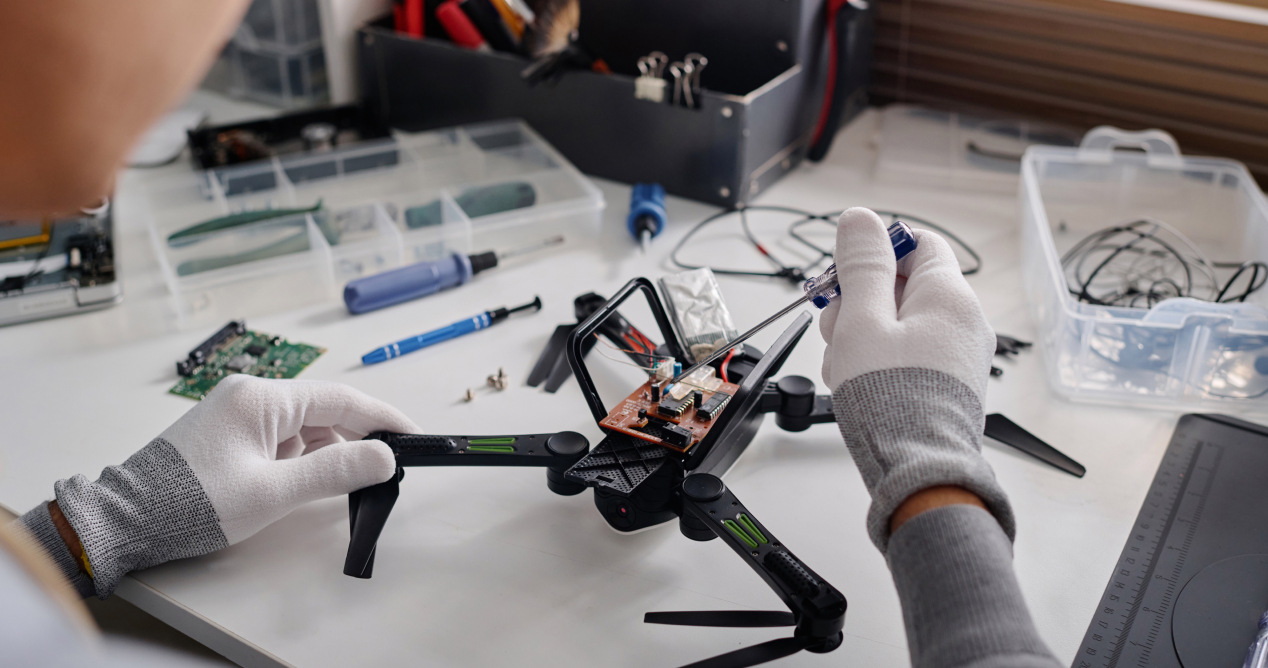
Ukraine has spent three years doing something no peacetime defense industry can replicate: building, testing, and refining technology in active combat conditions. The results have been remarkable. Ukrainian-developed drone systems, AI-powered reconnaissance tools, and unmanned ground platforms are no longer just frontline assets — they are becoming internationally recognized products with proven track records.
The May 5 event reflected a growing recognition in Washington that Ukraine is not merely a recipient of defense aid. It is a generator of defense innovation. Discussions centered on how Ukraine — which has become one of the world’s key hubs for defense technology development and real-world testing — can access the enormous U.S. financial market to scale its most critical technologies.
For Dignitas Ukraine, participation in this forum reinforced a core belief at the heart of our mission: sustainable defense capability requires both training people and building ecosystems. The companies developing these technologies need trained operators to validate them. The operators need organizations like ours to prepare them. Training, technology, and investment are not separate tracks — they are one interconnected system.
General Cherry: From Zaporizhzhia to the World Stage
Founded in Zaporizhzhia in 2022, General Cherry has become one of Ukraine’s most successful miltech companies. The company specializes in the mass production of drones and interceptor drones — including systems specifically engineered to counter the Iranian-designed Shahed-136 and Shahed-238 drones that Russia uses to target Ukrainian cities and civilian infrastructure.
Their Bullet interceptor drone, showcased at UMEX 2026 in Abu Dhabi, is a particularly significant development. Capable of speeds up to 310–315 km/h and carrying an 800-gram combat payload, the Bullet was designed from the ground up to destroy Shahed drones in flight. It represents exactly the kind of purpose-built, battlefield-validated technology that the global defense community is increasingly seeking.
In 2026, General Cherry announced the creation of a joint venture with U.S. company Wilcox Industries — a move that signals the next phase for Ukrainian defense-tech: not just supplying to allies, but building lasting transatlantic manufacturing partnerships.
The Strategic Logic of US–Ukraine Defense Tech Cooperation
The partnership discussed in Washington is grounded in mutual strategic interest, not charity.
For the United States, Ukrainian defense companies offer something rare: technologies that have been stress-tested in real peer-level conflict, iterating rapidly against actual threats. No simulation, exercise, or laboratory environment can replicate that. The asymmetric cost-exchange ratios that Ukrainian drone operators have achieved — destroying expensive Russian equipment with comparatively inexpensive systems — are the kind of results that defense planners and procurement officers study closely.
For Ukraine, access to U.S. capital markets, manufacturing infrastructure, and global distribution networks is the difference between producing at scale and remaining a niche supplier. The joint venture model — like General Cherry and Wilcox Industries — offers a template: Ukrainian IP and battlefield-tested design expertise combined with U.S. manufacturing scale and market access.
Training as the Foundation of the Entire Ecosystem
Behind every successful Ukrainian defense-tech company is a community of trained operators, engineers, and instructors who made the technology work in the field. This is where Dignitas Ukraine’s programs connect directly to the defense-tech investment story.
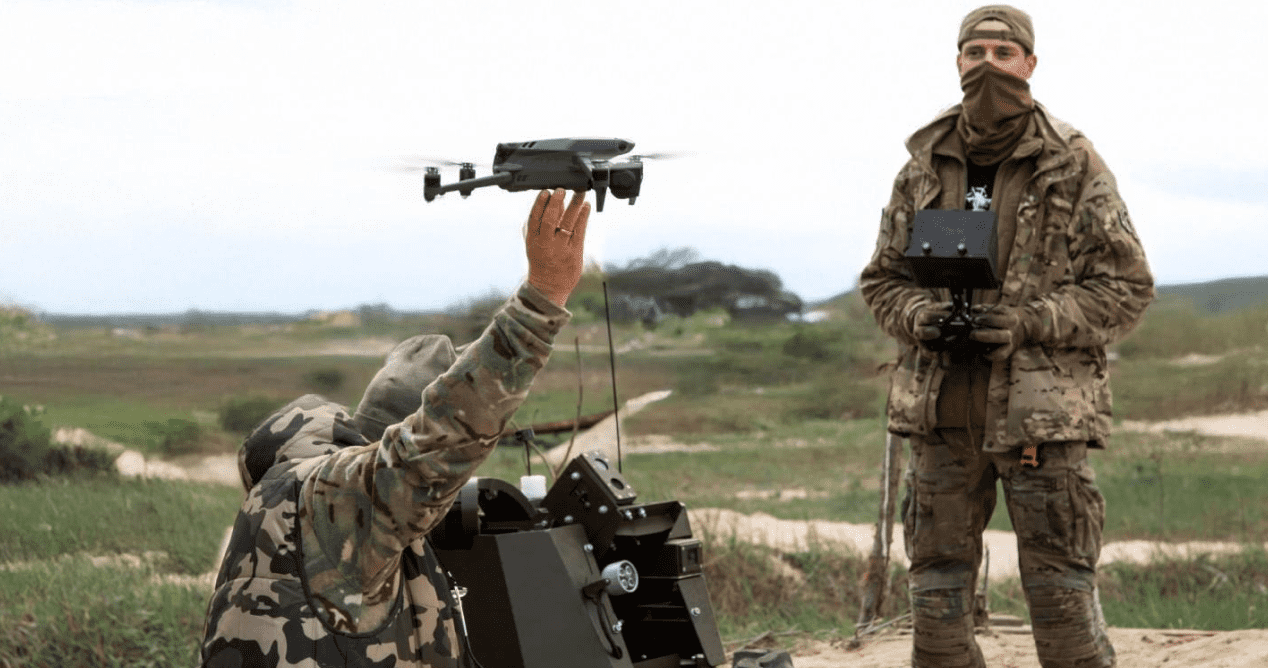
In 2025 alone, Dignitas Ukraine trained over 44,320 individuals in drone operations through the Victory Drones initiative, 2,023 people in ground robotic systems through Victory Robots, and 476 operators of Shahed interceptor systems through Freedom Sky.
These training programs are not peripheral to the defense-tech ecosystem. They are its foundation. An interceptor drone is only as effective as the operator behind it. A ground evacuation robot only saves lives when the person at the controls has been properly trained. Investment in technology without investment in human capability produces expensive hardware that underperforms.
This is why events like the May 5 forum matter to us — not just as a showcase for innovation, but as an opportunity to ensure that the training dimension of Ukraine’s defense ecosystem is part of the investment conversation from the start.
The Road Ahead
The Washington event on May 5 was a signal, not a conclusion. It demonstrated that the US–Ukraine defense-tech partnership has moved beyond the emergency phase into a more structured, long-term relationship — one built on mutual interest, shared technology, and the proven capabilities of Ukrainian innovators.
General Cherry’s journey from a Zaporizhzhia startup in 2022 to a transatlantic joint venture by 2026 is not an isolated story. It is a template. Dozens of Ukrainian companies are on similar trajectories, building technologies that the world will need — and that Ukraine will need the world to help scale.
Dignitas Ukraine will continue to be part of this work: training the operators who validate the technology, connecting innovators with the partners they need, and advocating for investment structures that build lasting Ukrainian strength.