Skip to content

When analysts and defense experts around the world assess what Ukraine has achieved with its air defense capabilities over the past three years, a remarkable consensus emerges: Ukraine has developed one of the most effective, adaptive, and sophisticated air defense ecosystems in the world. Not just by the standards of nations under pressure, but by any standard, full stop.
This is not accidental. It is the result of extraordinary institutional learning, close coordination with international partners, and the kind of battlefield-tested innovation that no peacetime exercise can replicate.
A Layered Architecture That Adapts in Real Time
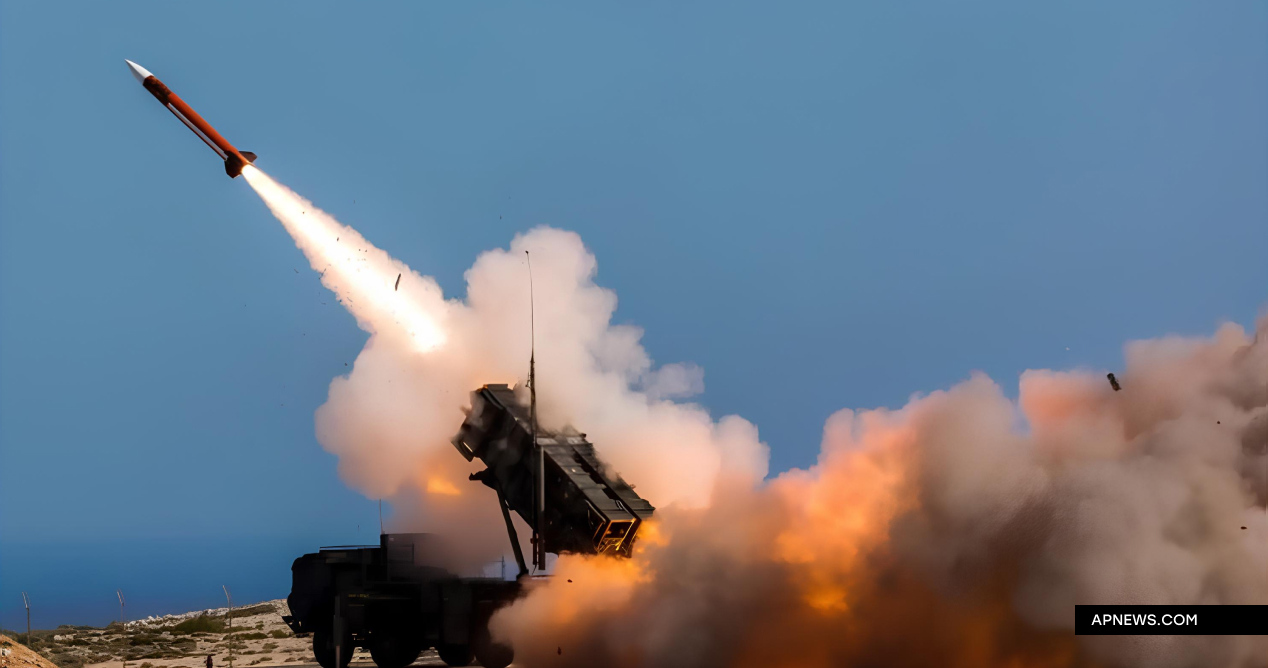
Ukraine’s air defense does not rely on any single system. Instead, it operates as a layered architecture like multiple overlapping capabilities covering different altitudes, ranges, and threat types. At the high end, Western-provided Patriot missile batteries intercept ballistic missiles at altitude. In the mid-tier, NASAMS (National Advanced Surface-to-Air Missile System) and IRIS-T SLM systems handle cruise missiles and aircraft. Closer to the ground, Soviet-era Buk and S-300 systems fill gaps that newer Western platforms cannot always cover on their own.
What makes this architecture genuinely world-class is not the hardware alone. It is the command-and-control integration that ties these disparate systems together. Ukrainian operators have developed real-time data-sharing protocols that allow different platform types to communicate, coordinate, and cue one another with a speed and effectiveness that observers in Western militaries have described as astonishing.
Patriot: The Crown Jewel and Its Lessons
The Patriot system, provided by the United States and several European allies, has become the most talked-about component of Ukraine’s air shield. Its record against ballistic missile threats, including hypersonic-class projectiles, has exceeded even optimistic pre-deployment assessments. Ukraine’s operators trained with remarkable speed and have demonstrated an ability to use the system’s capabilities in ways that pushed against its designed parameters.
Perhaps more significant than any single intercept is what Patriot’s operational experience in Ukraine has revealed about modern air defense doctrine. Ukraine has effectively served as a live laboratory for air defense concepts that NATO has theorized for decades but never tested at scale against a peer-level threat.
Key Capabilities at a Glance:
- Multi-layer architecture covering ballistic, cruise, and low-flying threats simultaneously
- Real-time integration of Soviet-legacy and NATO-standard systems a technical feat rarely attempted
- Patriot batteries demonstrating intercept rates against advanced ballistic threats that exceeded projections
- Rapid retraining cycles allowing Ukrainian crews to master complex Western platforms in weeks rather than months
- Continuous tactical evolution based on direct engagement experience, shared systematically across units
- Electronic warfare and drone-intercept adaptations not originally in any system’s design specification

Ukrainian Innovation: Beyond the Instruction Manual
One of the most striking patterns documented by analysts, including those at the Center for European Policy Analysis (CEPA), is how consistently Ukrainian operators have pushed beyond the designed parameters of the systems they receive.
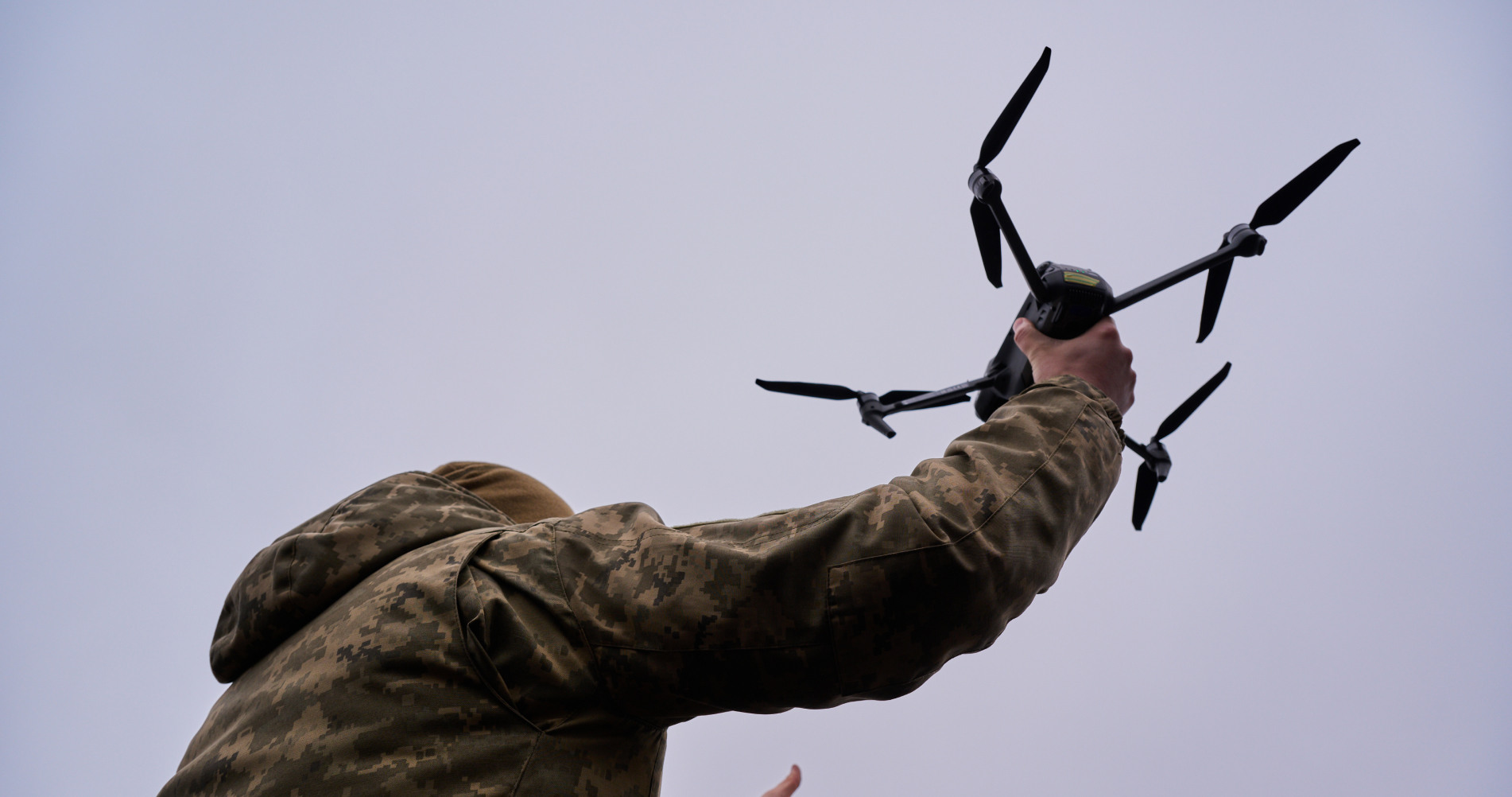
When ammunition for legacy S-300 batteries became scarce, Ukrainian engineers developed modifications allowing some launchers to fire different missile types. When the threat profile shifted toward cheaper, slower drones rather than expensive missiles, Ukrainian commanders improvised intercept protocols that preserved costly interceptors for the threats that truly required them while cheaper systems or even ground-based measures handled the rest.
This culture of tactical improvisation married to systematic institutional learning is, experts argue, the most exportable lesson from Ukraine’s air defense experience. The hardware can be replicated. The adaptive culture is harder to build and Ukraine has built it under extraordinary conditions.
Protection of Critical Infrastructure and Civilian Life
Air defense in Ukraine is not an abstract military exercise. Every battery, every intercept, every software update serves a direct civilian purpose: keeping the lights on, the heating running, the water flowing, and the hospitals operating.
Strikes targeting power generation, water treatment, and thermal energy infrastructure have been a consistent feature of the campaign against Ukraine. Air defense has not been able to intercept every projectile, but the cumulative effectiveness of Ukraine’s layered shield has meant that critical systems have continued functioning to a degree that independent energy analysts have described as far exceeding initial worst-case projections.
The protection of civilian infrastructure is not a secondary mission for Ukraine’s air defense. It is the primary one. This has direct humanitarian consequences for millions of Ukrainians, and it underlines why strengthening Ukraine’s defensive capabilities is, at its core, a question of civilian protection.
What Allies Have Contributed and What the System Still Needs
The international contribution to Ukraine’s air defense has been genuinely significant. Germany’s provision of IRIS-T SLM systems was among the first major Western ground-based air defense transfers. The United States, the Netherlands, and other partners supplied Patriot batteries and the training infrastructure required to operate them. France, the UK, and others have contributed radar systems, ammunition, and technical expertise.
Yet the demand has consistently outpaced supply. Ukraine’s commanders have been transparent about the equations they face: more platforms would allow better coverage of more territory; more interceptor ammunition would allow crews to engage every credible threat rather than making triage decisions under pressure.
The task from Ukraine and from analysts has been consistent: sustained, predictable resupply of interceptor ammunition matters as much as the platforms themselves. Air defense systems without interceptors are expensive infrastructure. With them, they are shields protecting millions of people.
Implications for European Security Architecture
Ukraine’s experience is already reshaping how European NATO members think about their own air defense investments. Prior to 2022, many European militaries had significantly reduced their ground-based air defense capabilities on the assumption that peer threats were a distant prospect. Ukraine’s experience has comprehensively revised that assumption.
Germany has accelerated its IRIS-T production. Several Eastern European allies have invested in Patriot expansions. The concept of layered, integrated air defense which Ukraine has validated in real operations is now at the center of NATO’s eastern flank planning in a way it simply was not before.
In this sense, Ukraine is not just defending itself. It is generating the empirical knowledge base that European security will draw on for the next generation of air defense planning, a contribution whose value extends far beyond the immediate context.
The Road Ahead: Continued Improvement
Ukraine’s air defense system is not static. Ukrainian officials and their international partners are continuously working on integration improvements, training programs, and capability expansions. The drone intercept challenge has driven innovation in electronic warfare, directed energy research, and combined-arms ground intercept techniques that the global defense community is watching closely.
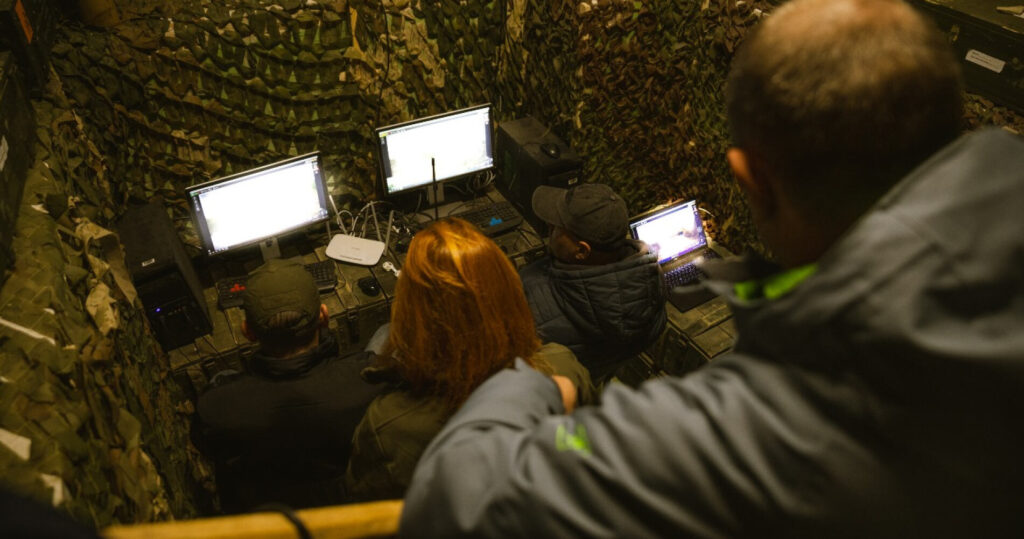
Ukraine’s air defense leadership has also invested in simulation and training infrastructure that would allow the system to grow its human capital even faster in the future, an important capacity as the system continues to evolve and expand.
Primary Source: This article is based on the analysis “Ukraine’s Air Defenses: World-Class and Improving” by Edward Arnold, published by the Center for European Policy Analysis (CEPA): https://cepa.org/article/ukraines-air-defenses-world-class-and-improving/