Skip to content

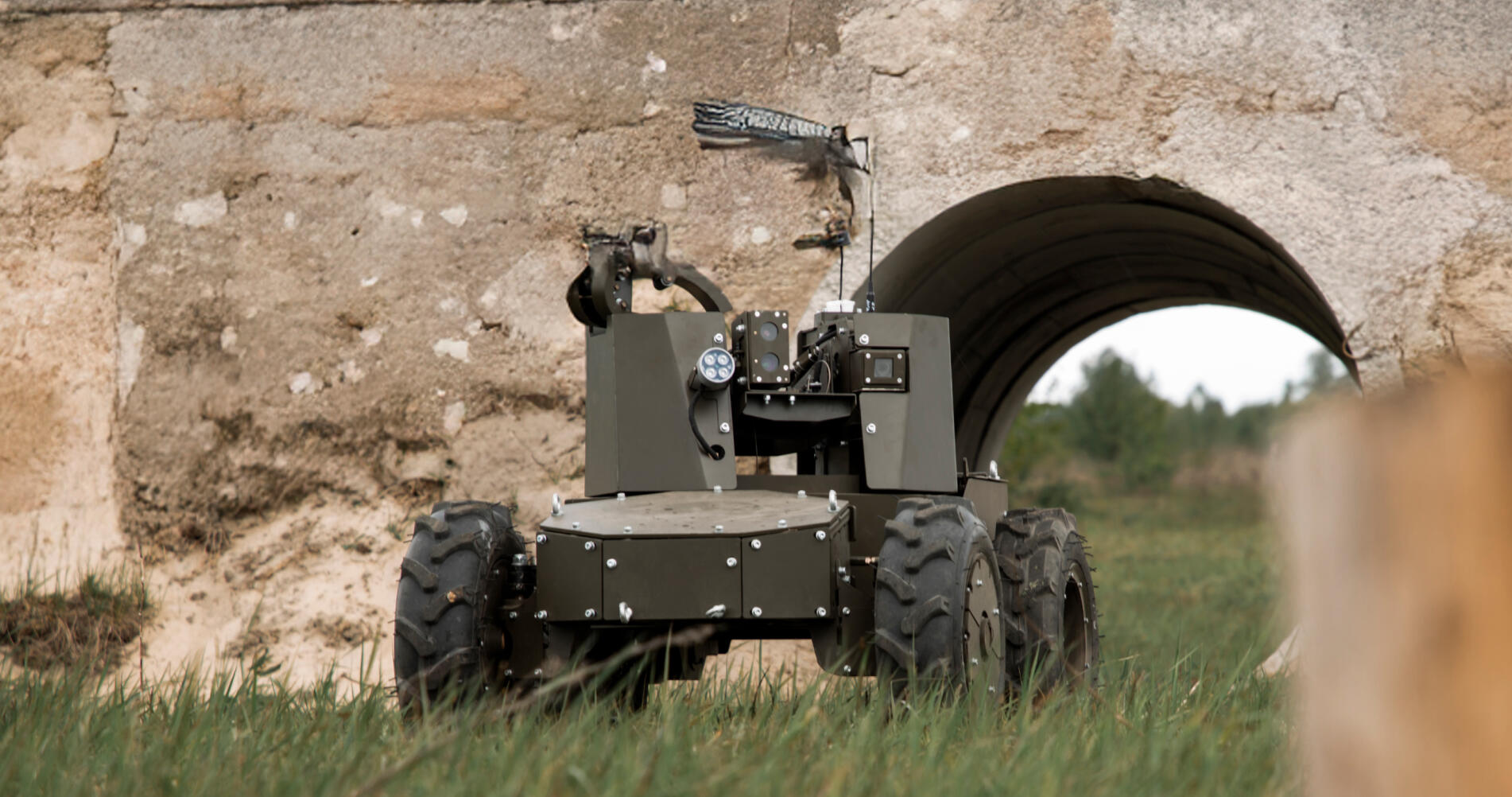
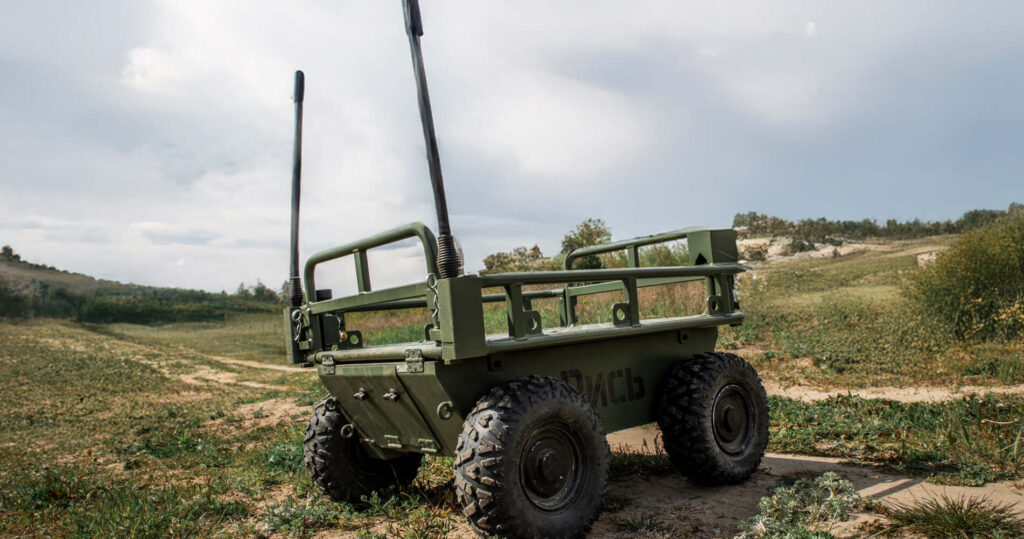
Ukraine has become one of the world’s most dynamic laboratories for defense technology. Drone systems, AI-powered reconnaissance tools, and autonomous logistics platforms developed on Ukrainian soil are now reshaping how modern security challenges are met and attracting serious attention from global investors. But as billions flow into this emerging ecosystem, a critical question arises: who actually benefits when these technologies succeed?
The startup ecosystem born under pressure
Necessity has always been the mother of invention. When Ukraine faced existential security threats beginning in 2022, the country’s tech-savvy civilian population didn’t simply wait for solutions to arrive from abroad. Programmers, engineers, and entrepreneurs pivoted their skills toward producing the tools that defenders in the field urgently needed – often within weeks, not years.
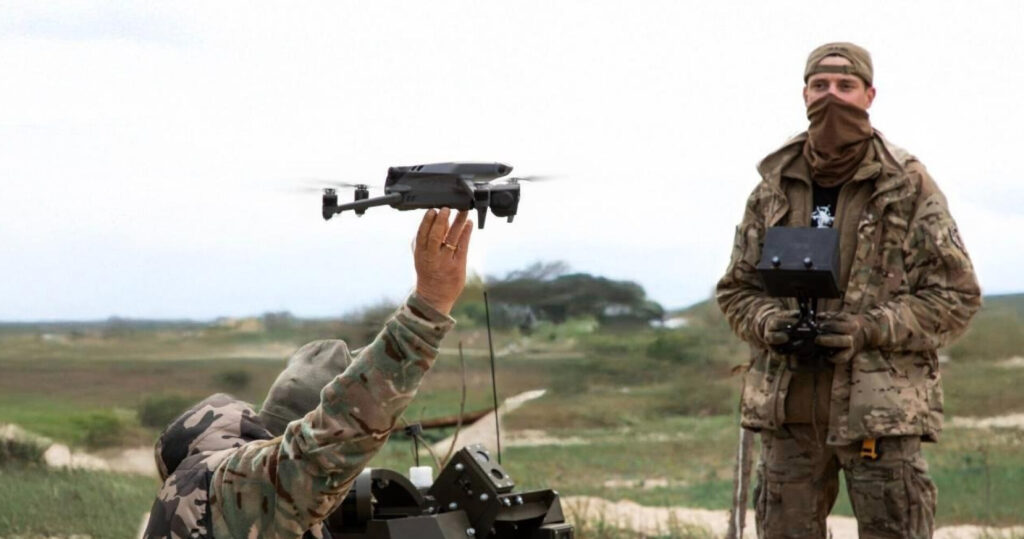
The result is a thriving, if unusual, ecosystem. Companies like Saker, DroneUA, and Cossack Labs have drawn international attention for developing everything from FPV drone management software to encrypted communications platforms. Unlike traditional defense contractors, many of these firms operate with startup agility: rapid prototyping, direct feedback loops from battlefield operators, and lean organizational structures.
“The soldier with mud on his boots is often also the engineer who filed a bug report at midnight. The line between user and developer in Ukraine’s defense-tech scene is extraordinarily thin and that’s a competitive advantage.”
The equity question: who holds the upside?
A detailed investigation published by the Foreign Press Association highlighted a structural tension at the heart of this innovation surge. Soldiers, veterans, and frontline operators are frequently the ones identifying needs, testing prototypes under real conditions, and providing the intellectual input that makes these technologies market-ready. Yet equity structures – who owns shares in these companies – often don’t reflect that contribution.
In traditional Silicon Valley startup culture, early team members and advisors who contribute to product development typically receive equity compensation. Ukraine’s defense-tech founders, many of them young and building quickly under intense pressure, have not always formalized these arrangements. The risk is that a future exit – whether through acquisition by a NATO-country defense firm or a public listing – could generate significant wealth concentrated among a small number of founders and investors, while the operators who shaped the product walk away with gratitude but no financial stake.
Why this matters for long-term reconstruction: If Ukraine’s most innovative technology companies are ultimately acquired by foreign entities with limited local ownership, the reconstruction dividend flows primarily out of the country rather than into it. Ensuring veterans and local contributors hold equity stakes is not just ethically sound — it’s strategically important for Ukraine’s postwar economic resilience.
International capital and local ownership
International venture capital has arrived in force. Funds from the United States, United Kingdom, Israel, and Baltic states have made early-stage investments in Ukrainian defense-tech companies. The rationale is straightforward: technologies that have been tested in real operational environments carry a credibility premium that no simulation or laboratory can replicate.
For foreign investors, the terms have often been favorable. Valuations remain relatively modest compared to equivalent Silicon Valley rounds, and the pipeline of technology – in drone swarms, electronic countermeasures, satellite communications, and AI target identification – is genuinely novel.
The challenge is that standard term sheets, designed in London or San Francisco legal offices, may not account for the Ukrainian context. Founders under extraordinary pressure may sign agreements without fully understanding long-term dilution implications. Advisors familiar with Ukrainian legal frameworks and the specific dynamics of dual-use technology companies are in short supply.
What equitable investment structures look like
Several models are emerging as better practice. Some investors are establishing dedicated founder-protection clauses that preserve local majority ownership through an initial acquisition threshold. Others are creating veteran advisory pools structured equity allocations set aside for operators who contributed meaningfully to product development. A few funds have gone further, tying a portion of carried interest to local employment targets post-exit, ensuring the economic benefit remains in Ukraine.
The role of diaspora capital and philanthropic investment
Beyond venture capital, a parallel stream of diaspora and philanthropic funding has played a quiet but significant role. Ukrainian communities in Canada, the United States, Germany, and Australia have channeled resources – often through structured grant mechanisms or recoverable grant instruments – directly to both frontline technology needs and the companies building them.
This form of capital is particularly valuable because it can tolerate longer time horizons and prioritize strategic impact over financial return. A diaspora fund that helps a Ukrainian drone company survive its first two years may be doing more for long-term reconstruction outcomes than a high-return venture deal that ultimately routes ownership offshore.
Dignitas Fund operates within this space, working to ensure that capital directed toward Ukrainian resilience is structured in ways that generate lasting economic benefit for Ukraine itself, not merely for external stakeholders who arrived when the technology was already proven.
A framework for ethical engagement with Ukraine’s tech sector
For institutional and individual investors, diaspora communities, and foundations seeking to engage with Ukraine’s technology sector responsibly, a few principles are worth embedding into practice.
Prioritize local ownership retention. Structures that dilute Ukrainian founders below meaningful ownership thresholds within the first two rounds should be scrutinized. The goal is to build lasting Ukrainian enterprises, not to create cheap acquisition targets.
Recognize non-financial contributions. Veteran operators, field testers, and informal advisors have contributed intellectual and operational value that standard startup models don’t account for. Equity pools, advisory compensation, or revenue-sharing arrangements can formalize this contribution.
Use patient capital where possible. Many of Ukraine’s best technology companies need three to five years of patient development before they are ready for scale. Structures that demand rapid exits pressure founders into unfavorable deals. Longer holding periods and hybrid grant-investment instruments can serve both mission and financial objectives.
Invest in legal and advisory infrastructure. The gap in qualified advisors who understand both Ukrainian context and international capital markets is real. Funding founder education programs and training local legal professionals is as impactful as a direct investment.
Looking ahead: the reconstruction dividend
Ukraine’s defense-tech sector will be one of the central engines of the country’s postwar economy. The IP developed under extraordinary circumstances, the organizational capabilities built, and the international networks established during this period represent assets of genuine national significance. Whether that asset base accrues primarily to Ukrainian citizens through locally-owned companies, employed veterans, and a thriving startup ecosystem or flows predominantly to external investors is a choice being made right now, in term sheets and equity agreements and investment committee decisions.
The question isn’t whether international capital has a role. It clearly does, and Ukraine needs it. The question is whether that capital is structured to build lasting Ukrainian wealth alongside investor returns — or whether it treats Ukraine’s extraordinary circumstances primarily as a source of discounted opportunity.
The answer to that question will shape Ukraine’s economic future as much as any reconstruction plan.
Join us in building Ukraine’s future. Dignitas Ukraine works with investors, foundations, and diaspora communities to structure capital that creates lasting benefit in Ukraine. We invite you to cooperate with us in designing investment approaches that honor the contributions of those who built these technologies.
Source attribution: This article was inspired by and draws on reporting originally published by the Foreign Press Association: “The Soldiers and the Startups: Who Shares in Ukraine’s Victory?” by Mitzi Perdue foreignpress.org/journalism-resources/the-soldiers-and-the-startups-who-shares-in-ukraines-victory