Skip to content

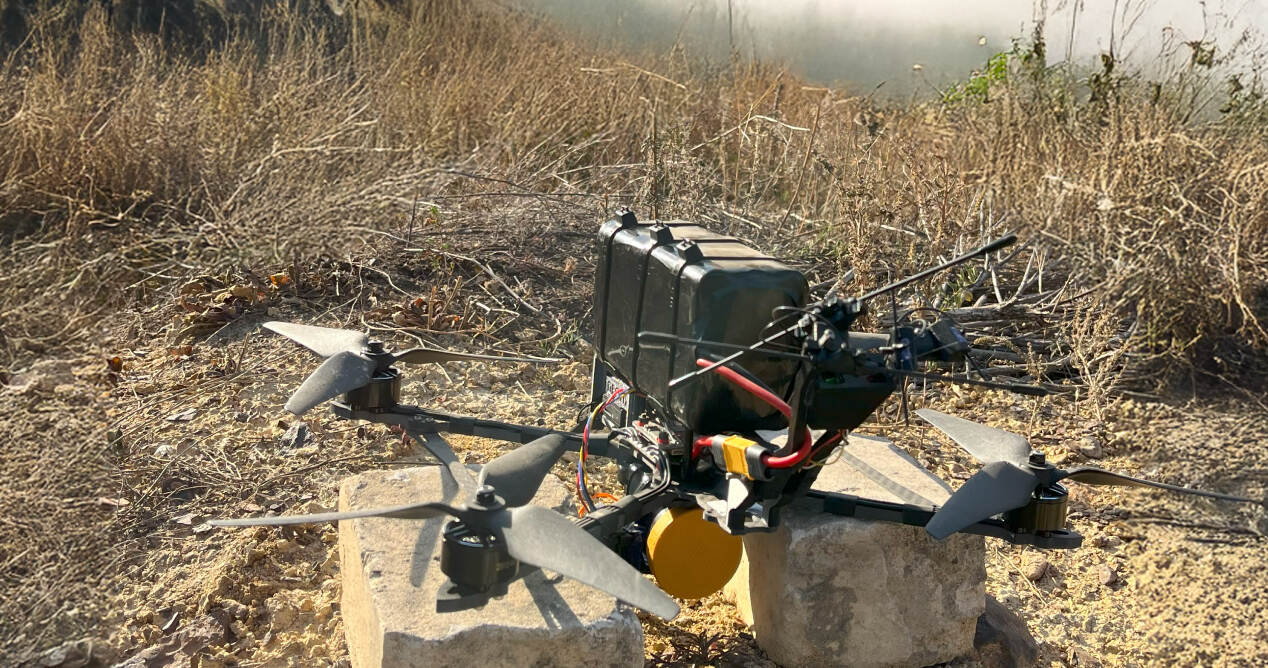
Drones in search and rescue are used to locate missing persons, assess dangerous areas, and support emergency teams. Equipped with thermal cameras and AI, search and rescue drones improve response time, safety, and operational efficiency.
In recent years, drones in search and rescue have become essential tools for emergency teams worldwide. As technology advances, search and rescue drones are transforming how responders locate missing persons, assess dangerous environments, and deliver critical support in time-sensitive situations.
This article explores how drones are used in search and rescue, highlighting their capabilities, real-world applications, and growing importance in modern emergency response systems.
What are Search and Rescue Drones?
Search and rescue drones are unmanned aerial vehicles (UAVs) equipped with cameras, sensors, and AI tools used to locate people, assess environments, and support emergency response operations. These systems are designed to operate in complex conditions where traditional methods may be limited or too slow.
How Drones Are Used in Search and Rescue
One of the key advantages of drone rescue operations is the ability to quickly access areas that are difficult or unsafe for ground teams. Equipped with high-resolution cameras, GPS systems, and thermal imaging, drones provide real-time aerial data that significantly improves decision-making.
In many cases, drones are deployed to:
- scan large areas in a short time
- locate missing persons using thermal sensors
- assess terrain after natural disasters
- support coordination between rescue teams
This demonstrates the expanding role of drones in emergency response, where speed and accuracy are critical.
Key Technologies Behind Search and Rescue Drones
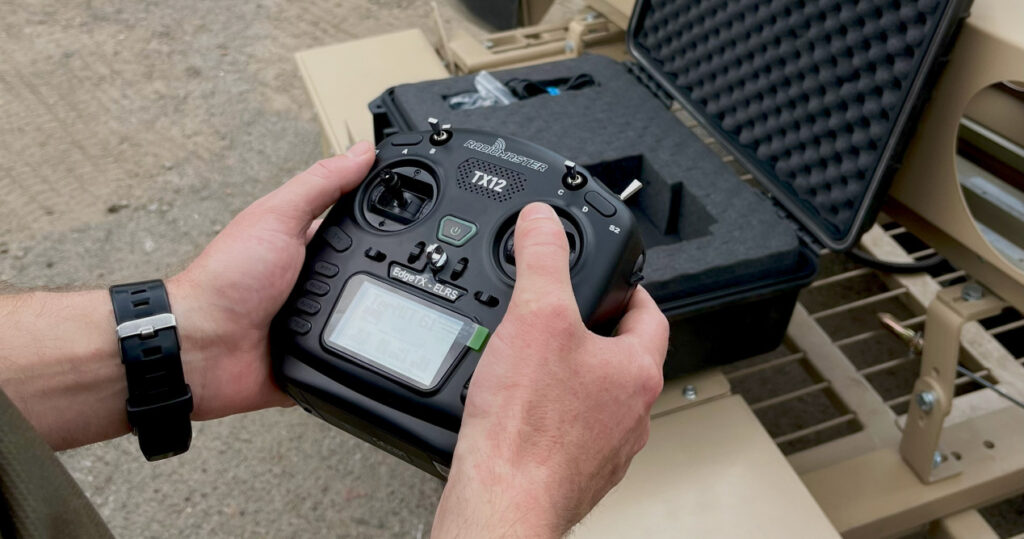
Modern search and rescue drones rely on a combination of advanced technologies:
Thermal Imaging
Thermal cameras allow drones to detect body heat, making it possible to locate individuals in low visibility conditions such as forests, mountains, or nighttime environments.
AI and Data Analysis
Artificial intelligence enhances drone rescue operations by analyzing visual data in real time. According to The Conversation, combining drones with AI can significantly improve the speed and accuracy of search missions.
Autonomous Flight
Pre-programmed routes and autonomous navigation enable drones to cover large areas efficiently, reducing the workload on human teams.
Real-World Applications
The use of drones in search and rescue is already well established across different environments.
Emergency services increasingly rely on drones to support operations in complex conditions. For example, teams have adapted their workflows to include aerial systems that help locate people and deliver essential supplies more efficiently.
Organizations such as Dignitas Ukraine are also contributing to the development of drone expertise through initiatives like Victory Drones, which focuses on training and equipping UAV operators.
These efforts highlight how search and rescue drones are becoming an integral part of modern response systems.
Benefits of Drone Rescue Operations
The growing adoption of drones is driven by several key advantages. One of the most important is speed, as drones can be deployed within minutes, significantly reducing response time in critical situations. Another major benefit is safety, since the use of drones helps minimize risks for human responders, especially in dangerous or hard-to-access environments.
In addition, drones provide extensive coverage, allowing teams to scan large areas and reach locations that would otherwise be difficult to access. Their efficiency is further enhanced by real-time data transmission, which improves coordination and decision-making during missions.
As a result, the role of drones in emergency response continues to expand across both urban and remote environments.
The Future of Search and Rescue Drones
Looking ahead, drones in search and rescue will become even more advanced. Key trends include:
- integration of AI-powered detection systems
- use of drone swarms for coordinated searches
- improved battery performance
- deeper integration with emergency infrastructure
These developments will further strengthen the effectiveness of search and rescue drones and redefine how emergency missions are conducted.
FAQ: Drones in Search and Rescue
What are drones used for in search and rescue?
Drones are used to locate missing persons, monitor large areas, assess dangerous environments, and support rescue teams with real-time data.
How do drones help in search and rescue missions?
They improve response time, provide aerial visibility, and reduce risks for responders by accessing hard-to-reach or unsafe locations.
Why are drones important in emergency response?
Drones increase efficiency, safety, and coordination, making them essential tools in modern emergency response systems.
What technologies are used in rescue drones?
Rescue drones use thermal imaging, AI-based analysis, GPS navigation, and autonomous flight systems.
Conclusion
The adoption of drones in search and rescue marks a significant shift in how emergency services operate. From faster response times to improved situational awareness, drone rescue operations are enhancing both efficiency and safety.As technology continues to evolve, the role of drones in emergency response will only grow, offering new possibilities for saving lives and supporting communities in critical situations.