Skip to content


Summary
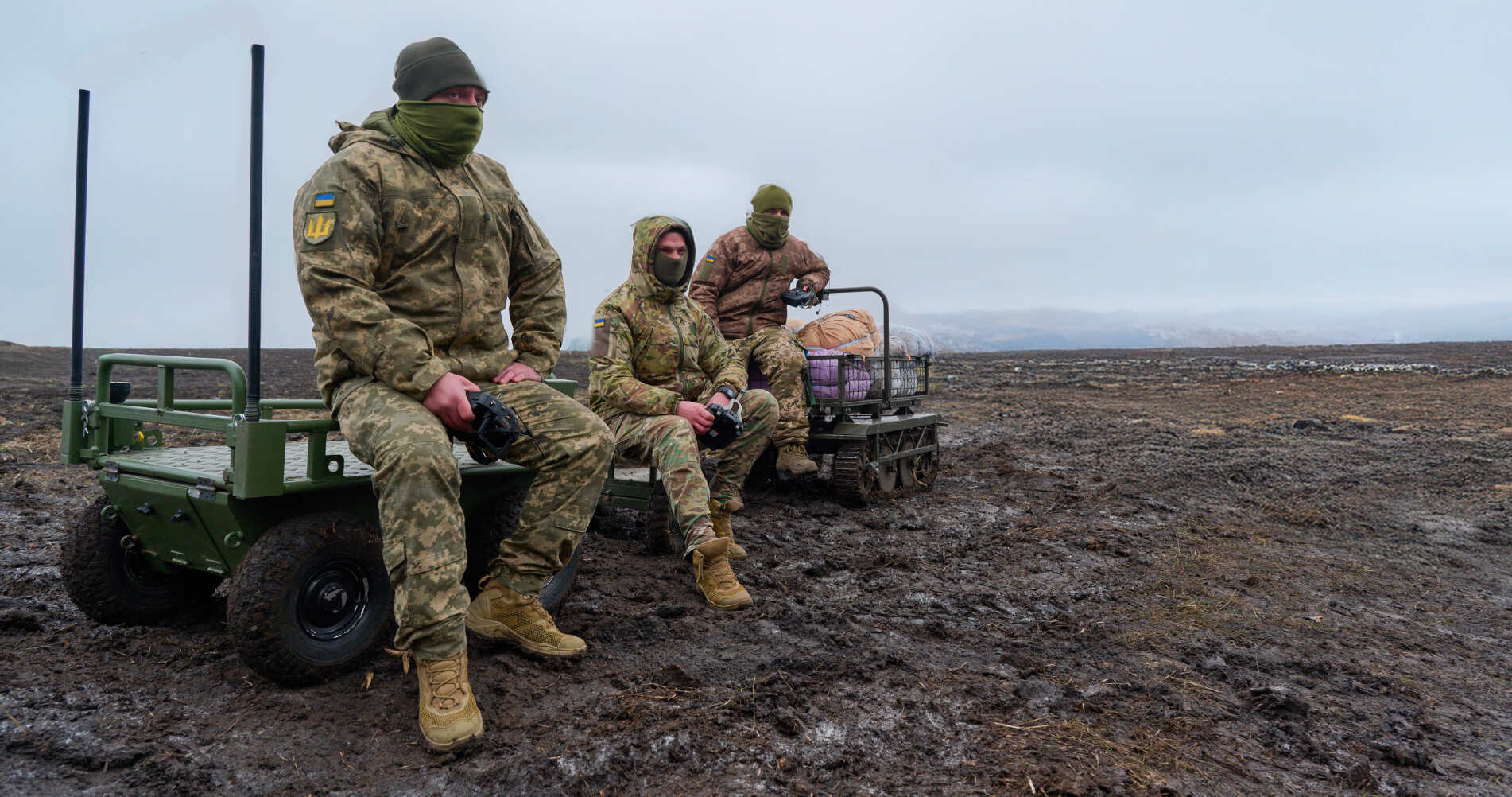
Ukraine has rapidly emerged as a global hub for defense technology innovation. The country’s real-world operational environment allows engineers, startups, and defense organizations to test and refine solutions faster than in traditional defense development cycles. Technologies such as unmanned systems, artificial intelligence, and electronic warfare resilience are evolving rapidly, transforming Ukraine into one of the most dynamic ecosystems for modern defense innovation.
Key Takeaways
- Ukraine has become one of the world’s most active environments for defense technology testing and rapid innovation.
- Real battlefield feedback enables rapid iteration cycles, allowing technologies to evolve within weeks instead of years.
- Key areas of innovation include drone systems, AI-driven reconnaissance, electronic warfare resilience, and data-driven situational awareness platforms.
- Many of these innovations are dual-use technologies with applications in civilian sectors such as agriculture, logistics, and disaster response.
- Organizations like Dignitas Ukraine support technological initiatives, training programs, and collaboration between engineers and frontline operators.
Why Ukraine Has Become a Global Hub for Defense Technology Innovation
The global security landscape is undergoing a profound transformation. Ukraine has become a central environment where modern defense technologies are being tested, improved, and deployed under real-world conditions.
Unlike traditional defense development cycles that can take years, Ukraine’s ecosystem enables rapid experimentation and immediate feedback from operational environments.
This environment creates a powerful innovation loop:
- Engineers develop and deploy prototypes
- Operators test them in real conditions
- Feedback is collected and analyzed
- Technologies are rapidly improved and redeployed
This iterative process allows developers to refine both hardware and software solutions at unprecedented speed.
As a result, Ukraine is increasingly recognized by international analysts and organizations as one of the most dynamic defense technology ecosystems in the world.
Rapid Iteration and the Evolution of Electronic Warfare
One of the most critical technological domains in modern conflict is electronic warfare (EW).
Electronic warfare systems must constantly adapt to contested electromagnetic environments where signals can be jammed, intercepted, or disrupted.
In Ukraine, developers are rapidly improving technologies related to:
- secure battlefield communications
- signal-jamming resistance
- spectrum monitoring
- navigation systems capable of operating without GPS
These innovations provide valuable insights into future secure communications infrastructure, both for defense and civilian technologies.
How Ukraine Is Advancing Drone and AI Defense Technologies
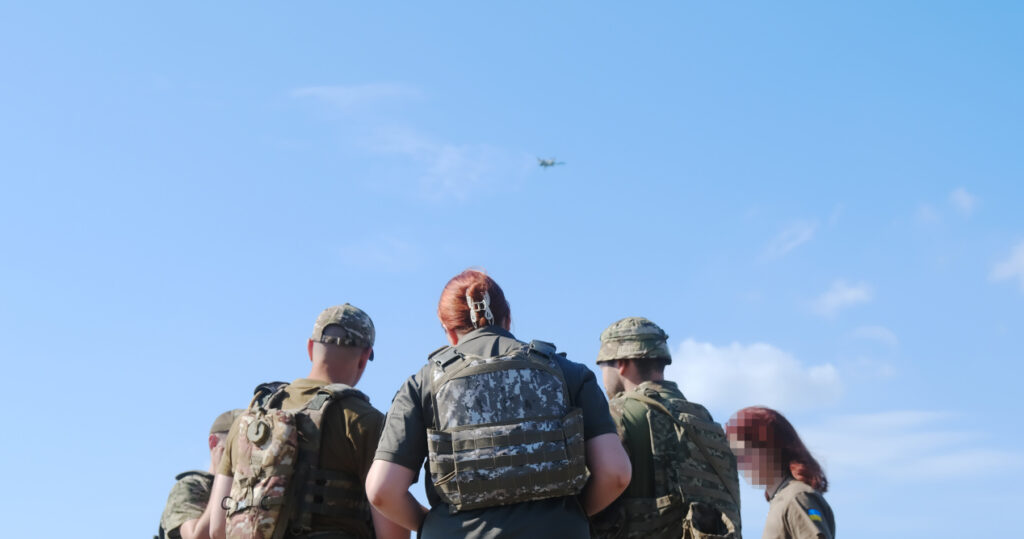
Unmanned systems represent the fastest-growing sector of defense technology innovation.
Ukraine has become a global center for testing unmanned aerial systems (UAS), autonomous navigation technologies, and AI-based reconnaissance tools.
Key areas of development include:
Autonomous Navigation
Developers are building navigation systems capable of operating in GPS-denied environments, allowing drones and autonomous systems to function even under signal disruption.
AI-Powered Recognition Systems
Artificial intelligence is being used to enhance:
- automated object detection
- threat identification
- real-time battlefield analysis
These AI-driven systems improve decision-making speed and reduce operator workload.
Drone Swarm Coordination
Engineers are exploring coordinated operations between multiple drones capable of executing complex tasks such as surveillance, logistics, and monitoring.
Many of these technologies are dual-use innovations, with potential applications in:
- agriculture monitoring
- infrastructure inspection
- disaster response
- autonomous logistics systems.
Situational Awareness and Data Integration
Modern defense systems rely not only on physical technologies but also on advanced data integration platforms.
Situational awareness platforms combine information from multiple sources:
- satellite imagery
- ground sensors
- unmanned aerial systems
- communication networks
- AI-driven analytics
These platforms create a synchronized digital representation of operational environments, enabling faster and more informed decision-making.
Ukraine’s experience with large-scale data integration is shaping new standards for defense technology architecture and digital battlefield intelligence systems.
The Role of Dignitas Ukraine in Supporting Defense Innovation
The charitable foundation Dignitas Ukraine contributes to strengthening Ukraine’s technological capabilities by supporting initiatives that combine education, technology, and operational experience.
The organization focuses on initiatives that enhance the effectiveness and safety of Ukrainian defenders.
Training and Education Programs
Dignitas Ukraine supports training programs that help defenders and civilians develop expertise in modern technologies such as unmanned aerial systems and tactical communications.
These programs help build a new generation of specialists capable of operating advanced technologies in complex environments.
Developing STEM Education for Youth
Dignitas Ukraine supports initiatives that improve access to technology education for youth and adolescents.
These efforts help to raise the level of education and contribute to the further development of the potential of Ukrainian youth in the field of cutting-edge technologies of unmanned systems and robotics.
International Collaboration
Dignitas Ukraine also works to strengthen connections between Ukrainian innovators and the global technology community.
By facilitating collaboration with international engineers, researchers, and organizations, the foundation contributes to the development of solutions that strengthen security and save lives.
Defense Technology Innovation in Ukraine: Key Facts
- Ukraine has become one of the fastest-growing ecosystems for drone technology development.
- Rapid feedback from operational environments significantly accelerates technology improvement cycles.
- Electronic warfare resilience and AI-driven analysis are among the most actively evolving fields.
- Defense innovations developed in Ukraine increasingly influence global defense technology strategies.
- Many technological solutions developed in the defense sector also have dual-use civilian applications.
Frequently Asked Questions
Why is Ukraine considered a testing ground for defense technologies?
Ukraine provides a unique operational environment where technologies can be tested in real-world conditions. Continuous feedback from operators allows developers to improve solutions quickly, accelerating innovation cycles compared to traditional defense development.
What defense technologies are being developed in Ukraine?
Key areas include drone systems, electronic warfare resilience, AI-based recognition tools, autonomous navigation technologies, and integrated situational awareness platforms.
Are these technologies used only in military applications?
No. Many of these technologies are dual-use and can also benefit civilian industries such as agriculture, logistics, infrastructure monitoring, and disaster response.
How does Dignitas Ukraine support defense innovation?
Dignitas Ukraine supports training programs, technology initiatives, and collaboration between engineers and frontline operators to accelerate the development and implementation of modern defense technologies.
How can international partners contribute to Ukraine’s defense technology ecosystem?
International companies, engineers, and organizations can collaborate through research partnerships, technology development programs, and support for initiatives that enhance technological capabilities and innovation.
Building the Future of Defense Innovation Together
Ukraine’s experience demonstrates how rapid technological innovation can emerge under pressure and reshape global security standards.
Organizations such as Dignitas Ukraine play an important role in connecting engineers, educators, and operators to ensure that technological innovation translates into practical solutions that protect lives.
International collaboration remains essential for advancing these efforts and building a more secure technological future.