Skip to content

How long does it take to train teams to intercept drones?
The honest answer is: less time than it takes to build an effective system around them.
Individual skills, such as operating interceptor drones and identifying aerial threats, can be developed relatively quickly. However, real effectiveness depends on a broader framework: coordination, procedures, communication, logistics, and infrastructure.
Training alone is not enough. What matters is the system around the team.
Why Drone Defense Training Is More Than Just Skills
Modern drone interception training is no longer limited to specialized military units. Ukraine shows that civilians can also be part of air defense systems when properly trained and integrated.
This shifts the focus from training individuals to building a repeatable and scalable model that works across regions.
Ukraine’s Model: A Scalable Drone Defense Ecosystem
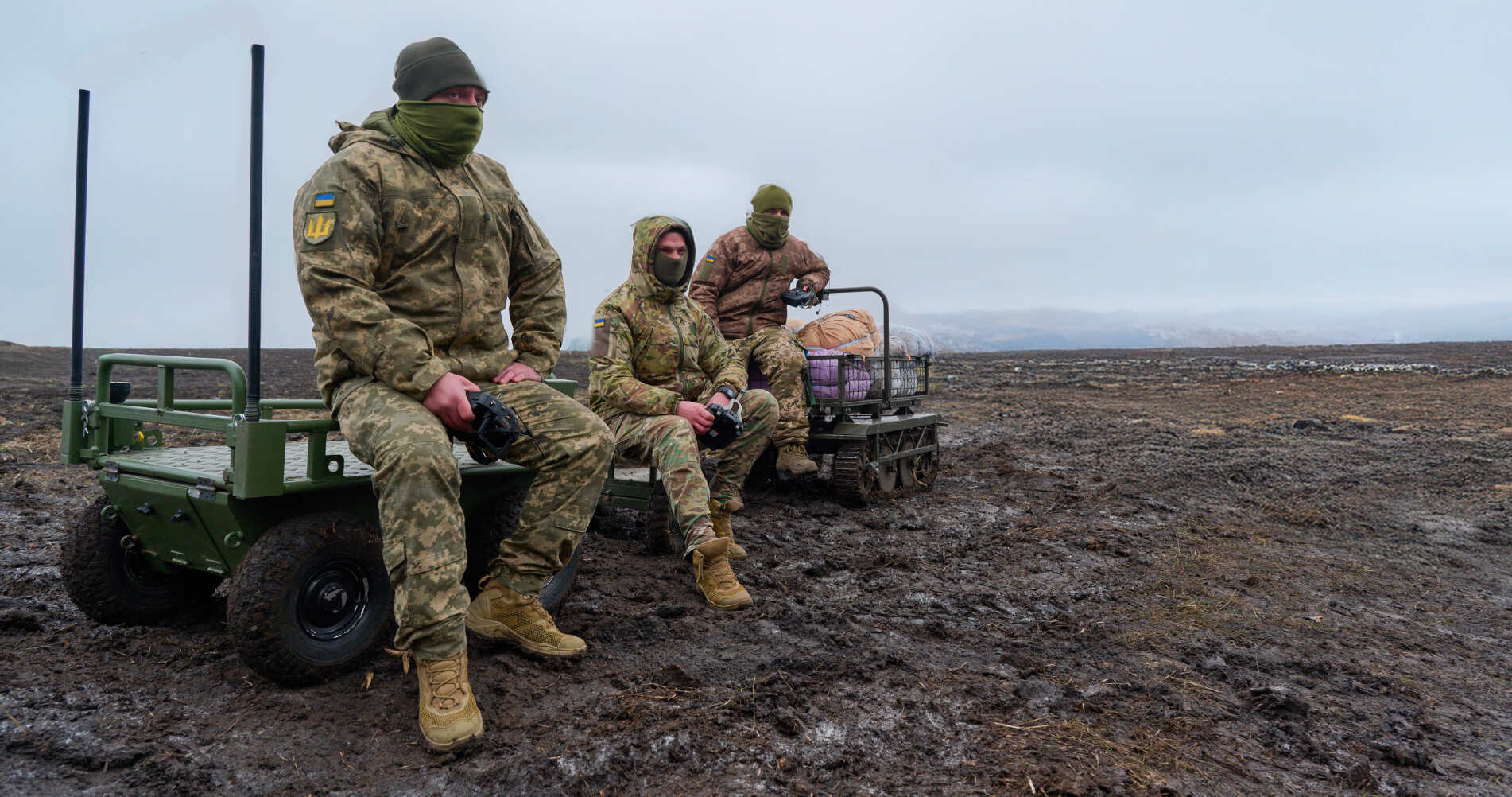
Over the past four years, Ukraine has been developing a comprehensive drone defense ecosystem that connects training, technology, and local coordination.
A layered approach includes key components such as:
- early threat detection
- command and control systems
- trained crews
- logistics, transport, and maintenance
- autonomous power and technical infrastructure
When these elements work together, teams become effective faster and maintain performance over time.
Case Study: FreedomSky (Anti-Shahed Frontier)
A strong example is the FreedomSky initiative by Dignitas Ukraine, also known as the Anti-Shahed Frontier.
It represents a three-level drone defense model designed to stop attack drones before they reach populated areas. The initiative combines training, technology, and operational support into a single system rather than treating them separately.
This integrated approach is ключ до швидкої підготовки ефективних команд.
How Long Does It REALLY Take?
The timeline depends on what exactly you measure.
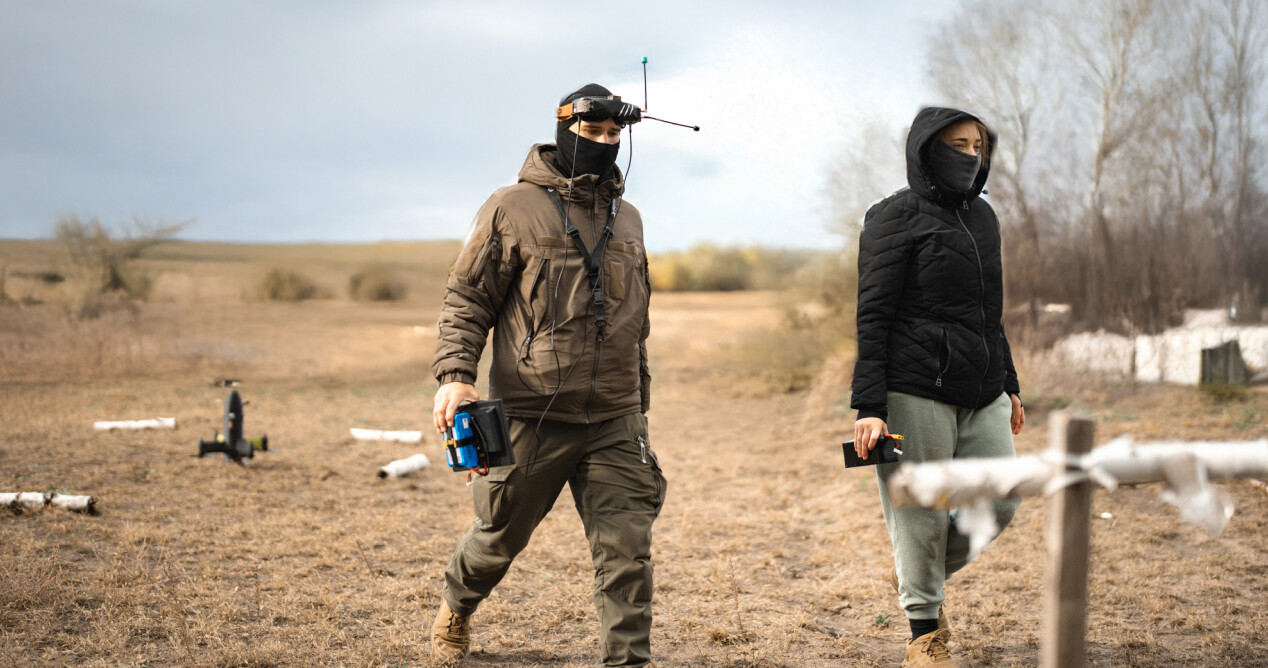
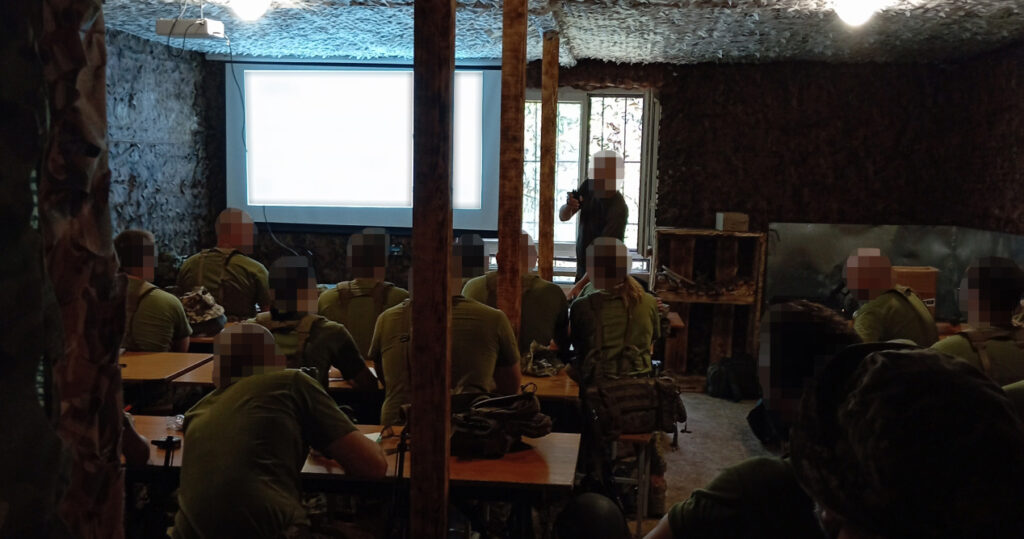
Basic operator skills can be developed in days or weeks. Team coordination and real-world readiness usually take several weeks or months. However, building a fully operational and scalable drone defense system requires significantly more time.
The key takeaway: Training teams is relatively fast. Building a system that makes them effective is the real challenge.
Why People Matter as Much as Technology
Even the most advanced anti-drone systems depend on human factors: decision-making, teamwork, adaptability, and experience in real conditions.
Ukraine’s experience shows that effective preparation is continuous – teams must learn, adapt, and operate under pressure over time.
Drone Defense as a New Global Standard
For international audiences, drone interception is no longer just a military issue. It is also about resilience, preparedness, and cooperation.
Ukraine has demonstrated that when structure, knowledge, and local engagement come together, civilians can become part of a broader response to aerial threats.
FAQ: Drone Interception Training
How long does it take to learn drone interception?
Basic skills can be learned in a few days or weeks, but real effectiveness requires continuous training.
Can civilians be trained to intercept drones?
Yes, if they are properly trained, organized, and integrated into a system.
What matters more: training or technology?
Both are important, but systems and coordination determine real effectiveness.
What is the main challenge in drone defense?
Not training itself, but building a scalable and reliable system.
Key Takeaways
- Training drone interception teams is relatively fast
- Systems, coordination, and infrastructure determine effectiveness
Conclusion
So, how long does it take to train teams to intercept drones?
Long enough to develop practical skills, but more importantly, long enough to build a system that makes those teams effective.
Ukraine has already spent four years shaping this model. Today, initiatives like FreedomSky by Dignitas Ukraine demonstrate what modern drone defense looks like: organized, layered, and scalable.
Join the Conversation
We invite partners, communities, and institutions to explore how this experience can help shape the future of drone defense and air protection systems in Europe and beyond.