Skip to content

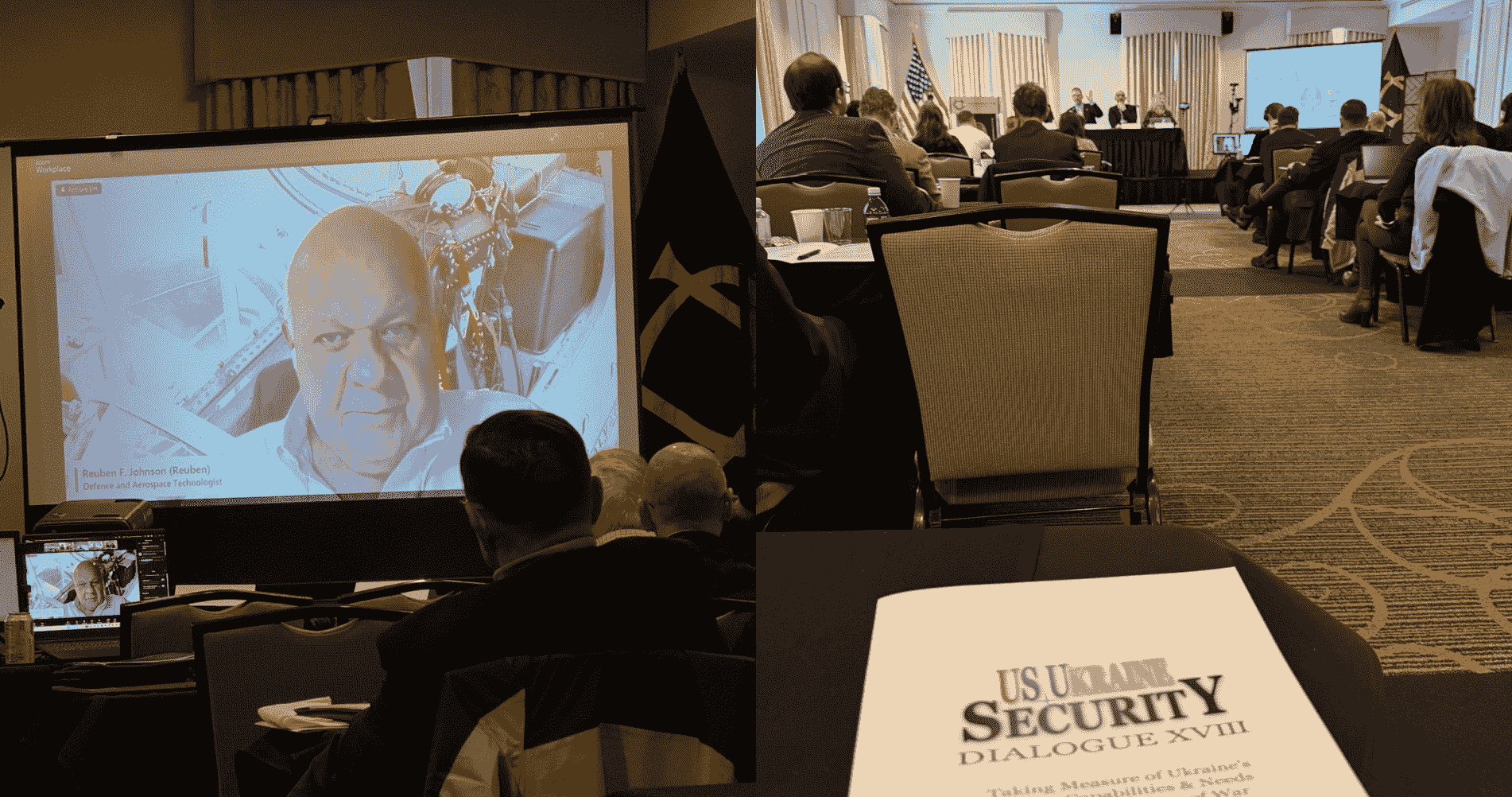
On February 25, 2026, Washington, DC hosted the 18th US–Ukraine Security Dialogue, one of the most substantive annual forums where senior U.S. and Ukrainian military leaders, policymakers, and strategic thinkers come together to assess the state of the war and chart the path forward.
Four years into russia’s full-scale invasion, the conversations at The University Club were marked by clarity, urgency and a recurring question that cut across every panel: Is the West keeping pace?
Yulia O’Connell, representing Dignitas Ukraine, attended the full-day event and captured the key themes emerging from discussions on air defense, land warfare, maritime strategy, cyber operations, and allied commitment.
This Is No Longer Domain Warfare
The most important takeaway from the day was deceptively simple: the familiar categories of warfare – land, sea, air, cyber – no longer operate in isolation. What Ukraine is fighting and winning innovations within is integrated systems warfare. The side that synchronizes sensors, drones, artillery, cyber tools, and information operations into a seamless loop faster than the opponent holds the advantage.

Air Defense: The Economics of Survival
russia is currently producing approximately 60 ballistic missiles per month and is actively extending the range of its glide bombs reportedly now reaching up to 200 km. To counter saturation attacks with Shahed-type drones, Ukraine may need up to 1,500 interceptor drones per day.
The strategic imperative is clear: develop low-cost, highly maneuverable, AI-enabled interceptor drones that can be produced at scale potentially thousands per day. The “right side of the cost curve” is no longer just a budgeting concern. It is a war-winning condition.
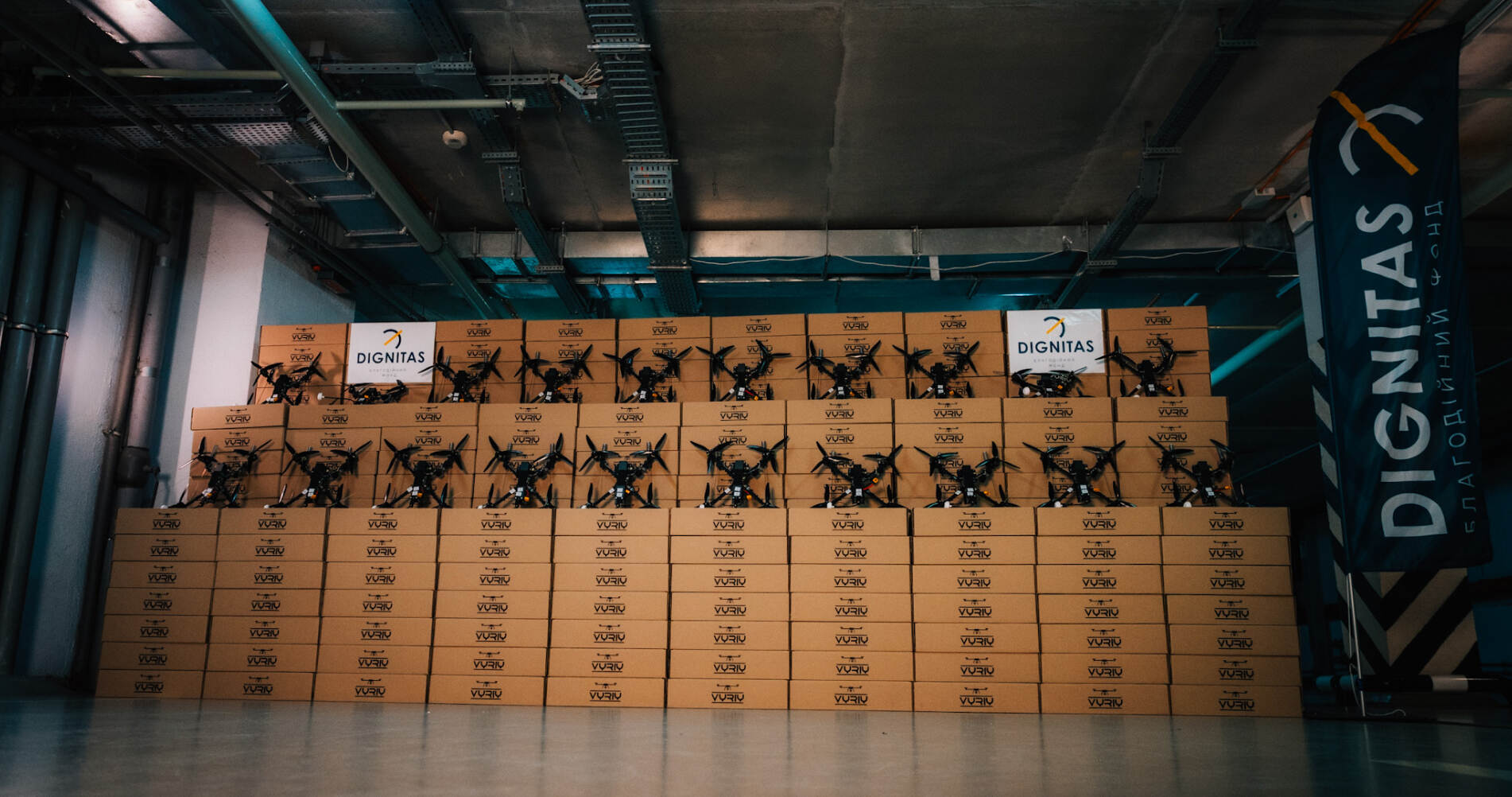
Ukraine has already demonstrated the effectiveness of relatively affordable drones (in the $15,000 range) enhanced with AI capabilities. The challenge now is industrial scale, chip investment, and rapid iteration cycles measured in months.
Drones Are Rewriting the Rules of Land Warfare
Low-altitude superiority is emerging as a decisive strategic factor rivaling traditional air superiority in its battlefield impact. A combination of AI-enabled aerial and ground-based drones, coordinated with HIMARS and artillery, can stretch russian logistics and force supply lines deeper into the rear.
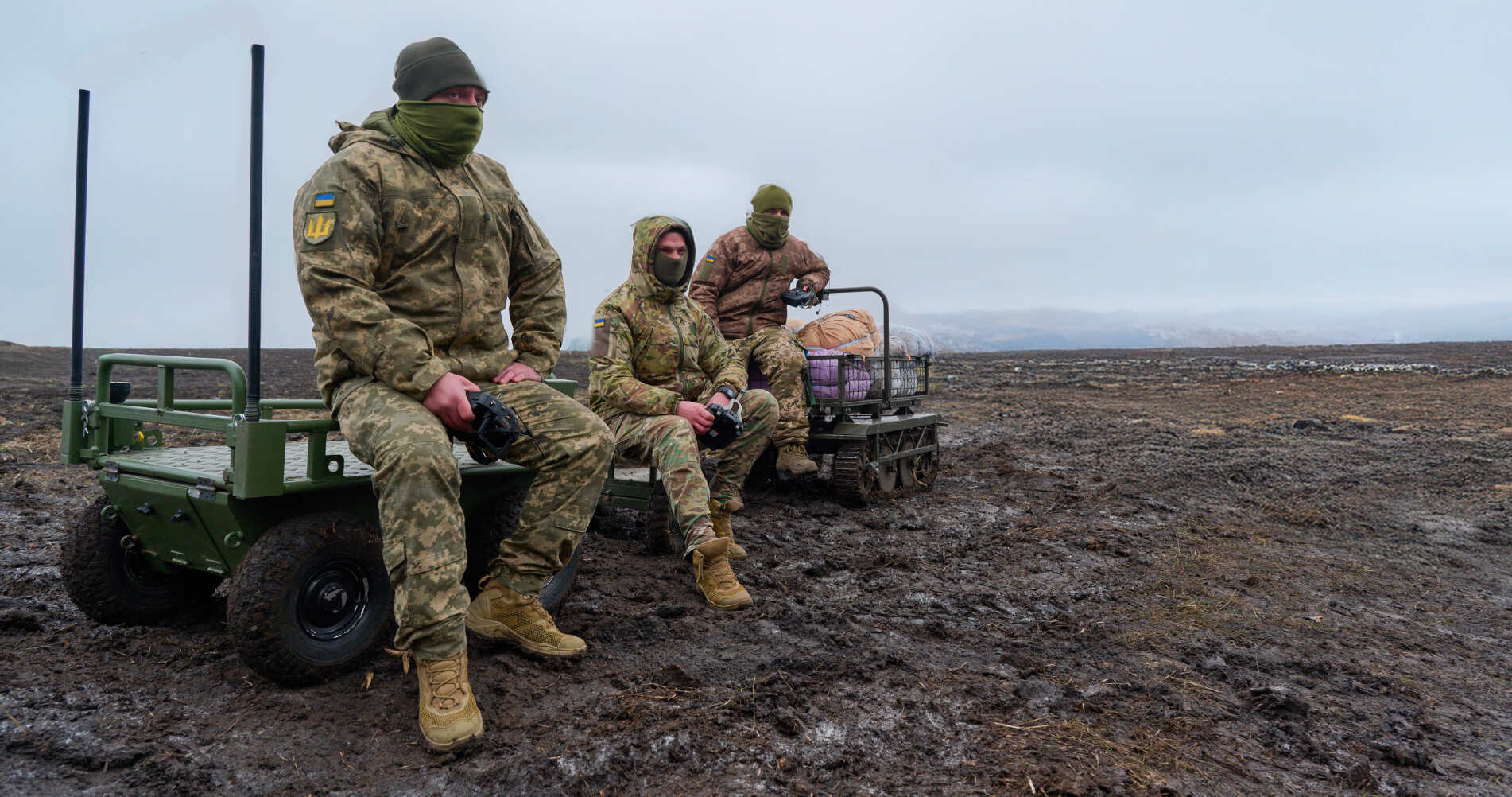
Ground drones are extending the network into high-risk areas: reconnaissance, logistics support, casualty evacuation under fire. The detection-to-strike cycle is accelerating. The central question facing Ukraine’s ground forces: Can Ukraine regenerate brigades, ammunition depth, and trained leadership faster than russia can mobilize manpower and absorb losses?
The Black Sea: Asymmetric Naval Warfare as Doctrine
Without a conventional fleet, Ukraine has managed to push back russia’s Black Sea Fleet, disrupt port operations, and protect the grain corridor, rewriting what naval power projection looks like for a nation under siege.
Maritime drones, anti-ship missiles, mining operations, and coastal defense integration have proven that sea denial – not sea control – can deliver strategic leverage. The Black Sea is no longer a regional theater. It has become a NATO strategic frontier.
Cyber and the Information War: The Third Front
Ukraine is defending against thousands of cyber intrusions daily, primarily targeting telecommunications and energy infrastructure. Russia’s parallel information campaign operates globally: state-funded media, proxy outlets, audience micro-segmentation using a “seed–root–grow” model designed to erode Western resolve.
Speakers emphasized that counter-attacks in the information domain must be proactive and global in scope not reactive.

The Core Challenge: Political Will and Industrial Tempo
Perhaps the sharpest observation across all panels was this: Ukraine’s constraints are often not technical — they are political. Ukraine has shown extraordinary capacity to adapt and integrate Western systems faster than expected. The question is whether the U.S. and European industrial base and the political will behind it can match that pace.
As General Bredlow noted: “We are consumed with immediate needs. But when the immediate is over, we must be prepared for what comes next.”
There was bipartisan acknowledgment of support in Congress including engagement from Rep. Don Bacon though debate continues around long-term strategy and isolationist pressures.
Dignitas Ukraine’s Perspective
Dignitas Ukraine is grateful to the organizers – the American Foreign Policy Council, the Center for US-Ukrainian Relations, and The Saratoga Foundation – for creating space for serious, sustained strategic dialogue.
Ukraine’s security is inseparable from transatlantic security. The innovation cycle is measured in months. Western industrial adaptation must match that tempo. Any future negotiations must account for that reality and for what russia would genuinely concede.
Ukraine continues to adapt. The West must continue to lead.