Skip to content

The war in Ukraine has been going on for three years now and shows no signs of ending. Over this period, significant advances in warfare technology have been achieved. These advances began with the widespread use of UAVs due to their low cost and high efficiency. With the spread of unmanned systems, the next leap forward was the development of countermeasures in the form of electronic warfare, nets, cloaking, etc. Among these measures are interceptors, mini-drones capable of taking out expensive UAVs such as Shaheds. Below, we will discuss these in more detail, starting with detailed descriptions up to the latest updates.
Background of Interceptor Drone
In the search for new military strategies, UAVs have changed their primary purpose from reconnaissance drones to high-precision strike forces. Basic drone models are becoming increasingly affordable, and their conversion into kamikaze units does not require significant effort. Even before the full-scale war in Ukraine, drone attacks had been becoming more frequent since 2019. They were mainly carried out across the world by violent non-state groups such as terrorist groups, insurgents, and drug cartels, and by 2023, such attacks had more than doubled. Suspicious unidentified drone activity around New York City and throughout New Jersey in 2024 showed how vulnerable many urban environments can be to malicious UAVs.

Some of the main necessities for developing anti-drone technologies are:
- Very few air defense systems are capable of eliminating numerous advanced kamikaze UAVs, as they are able to operate outside the detection range or are too fast for air defense systems to react.
- The cost of protective equipment may be too high for mass use.
- Attack drones continue to progress, outpacing the development of air defense systems.
A new alternative has emerged as a solution, which involves protecting against drones with drones themselves. Interceptor drones are rapidly gaining popularity as inexpensive, high-precision, multi-purpose air defense systems. So what are interceptor drones?
What is an Interceptor Drone?
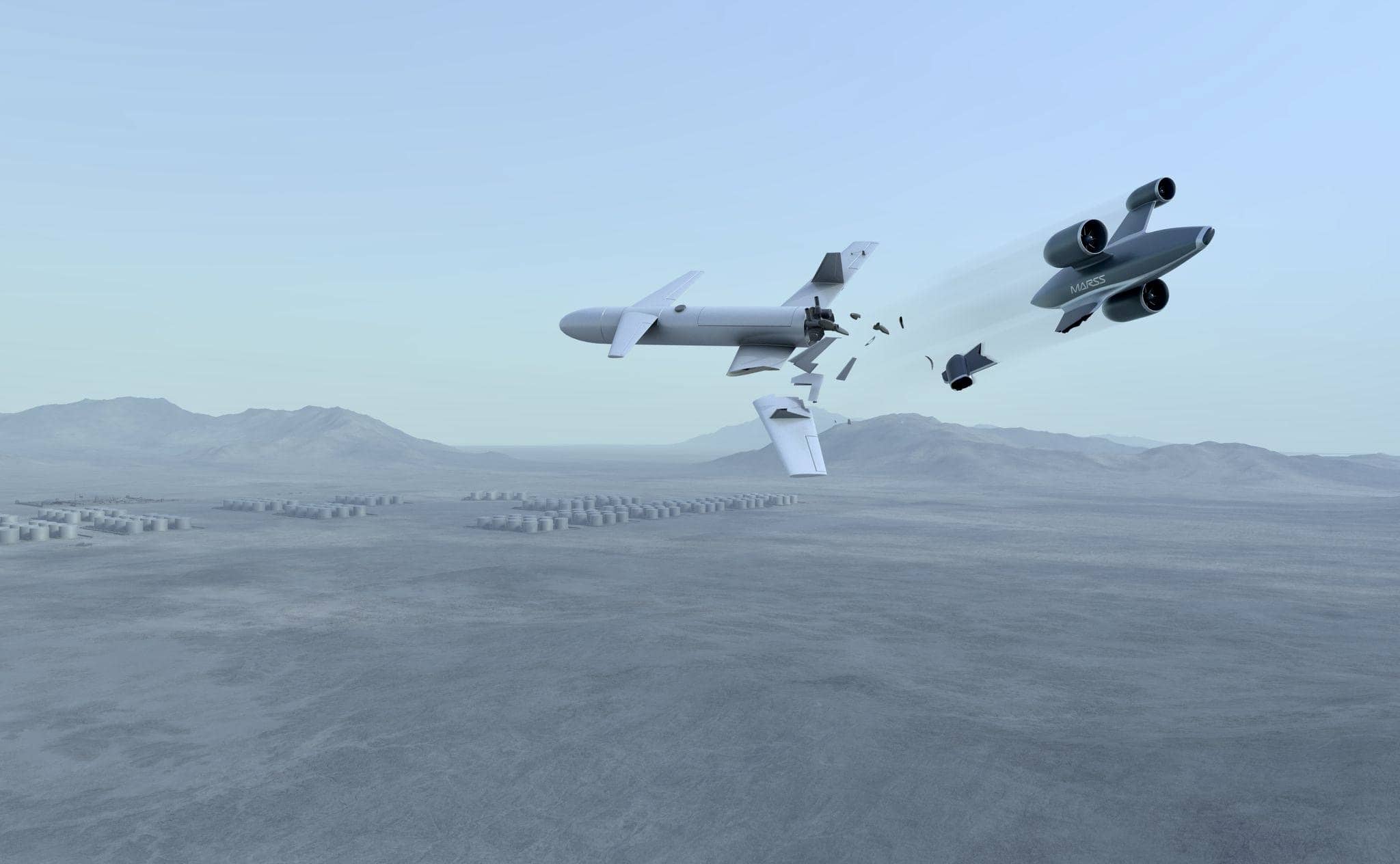
An interceptor drone is a specially designed type of unmanned aerial vehicle designed to detect, pursue, and destroy enemy drones. Their main purpose is to provide protection in active combat. The models are equipped with sensors and autonomous navigation systems, allowing them to perform rapid maneuvers in the air, automatically and instantly identify targets, in order to hover with precision and neutralize threats.
“Air defense systems lack mobility and agility, while being too costly to use against small aerial targets. Interceptor drones were created as a flexible alternative that solves these problems.”
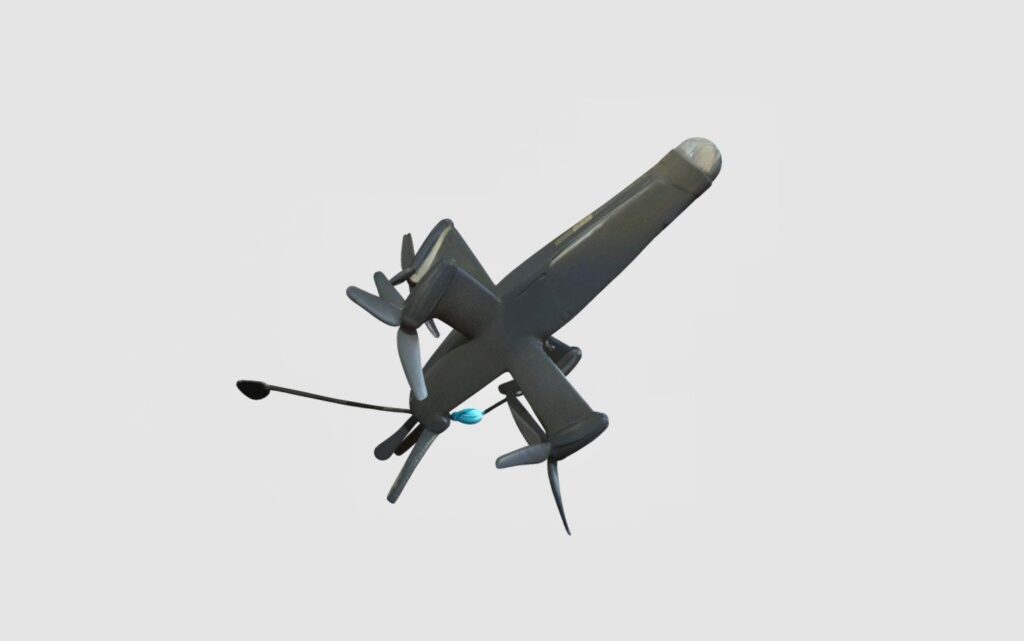
Different interceptor models may vary in their equipment and capabilities, but their main features are:
- High-speed pursuit
- Resistance to electronic warfare
- Autonomous target tracking
- Precise hovering
- Adaptive flight path correction
- Navigation without GNSS (Global Navigation Satellite System)
- Swarm coordination
- Multiple target engagement
A feature worth highlighting separately is the wide range of payloads, which allows interceptors to be not only kamikaze drones, but also to be reused without self-destruction. Interceptor drones can be equipped with net launchers, jammers, and kamikaze-type explosive devices.
As for its independence from GNSS, interceptor drones are provided with advanced navigation technologies in the form of AI-based inertial navigation systems to ensure effective flight even in areas where GNSS is unavailable.
Anti-Shahed Frontier: Dignitas Interceptor Drone Initiative
Closing Ukraine’s airspace has always been one of the key priorities since the beginning of the war. Ukrainian diplomats are constantly negotiating for support that could protect Ukrainians in the air. Unfortunately, this support is insufficient, as Russia has a significant advantage in aircraft, especially strike missiles and drones, which they launch daily at Ukrainian cities, increasing the scale of their attacks.
Therefore, in addition to seeking support, Ukrainian military technologists are constantly looking for ways to defend against attacks from the sky, and volunteers are helping to increase the production of such technologies. Ukrainian military interceptor drone improvements are one of these solutions, and we at Dignitas are actively promoting support for their manufacture through our FreedomSky initiative.
It is important to know that the hundreds of kamikaze drones that Russia launches every night are aimed not only at strategic targets, but also at hospitals, shopping centers, and other civilian buildings, leaving people without lives, homes, and electricity.
FreedomSky aims to create a three-level anti-drone barrier that will block, destroy, and intercept Shahed drones before they reach their targets. By contributing to the initiative, you will provide crews with:
- Interceptor and neutralizer drones.
- Secure communications.
- Autonomous power supply.
- Computer equipment.
- Transportation.
- Spare parts and materials.
- Charging stations and field repair kits.
- Crew training and clear operating instructions.
Your support for the FreedomSky initiative saves lives and critical infrastructure in Ukraine by stopping kamikaze drones before they reach cities.
Main Models of Interceptor Drones in 2025
The war in Ukraine is currently the biggest hub for innovation in the field of FPV interceptor drones due to constant testing, demand, and the need for protection. Demand is created by constant attacks of Russia’s Shahed drones, which are only escalating, requiring the development of new military technologies.
We must note that currently, most models of Ukrainian interceptor drones are not disclosed for operational security reasons, which is why we have compiled a list of some of the drones that are currently present on the global market. For the same reasons, we cannot disclose which interceptor drone models are used as part of the FreedomSky initiative.
That said, let’s move on to the main global models of interceptor drones.
Bullet
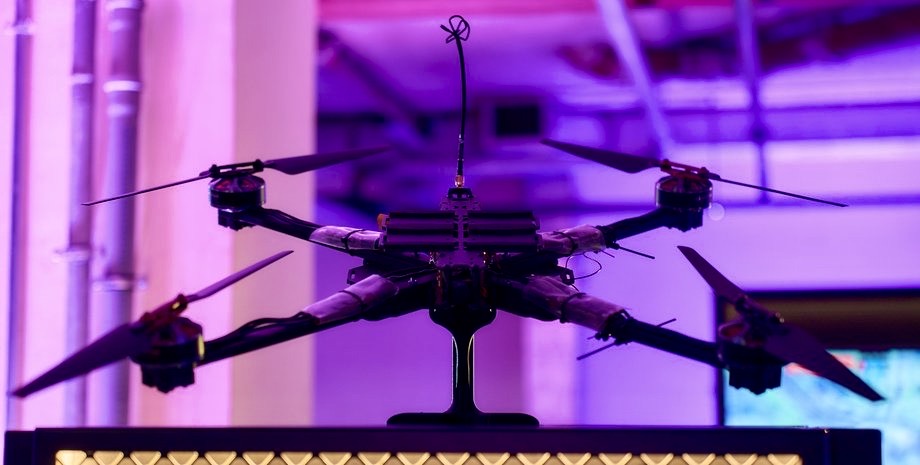
Popular Ukrainian FPV drone manufacturer General Cherry has long since begun serial production of the Bullet drone, designed to intercept Russian Shahed drones. Developed in three different modifications for daytime, nighttime, and additional guidance operations, the drone effectively detects and destroys enemy drones. Most importantly, for a relatively low price, the interceptor is capable of speeds up to 309 km/h.
General Cherry Air
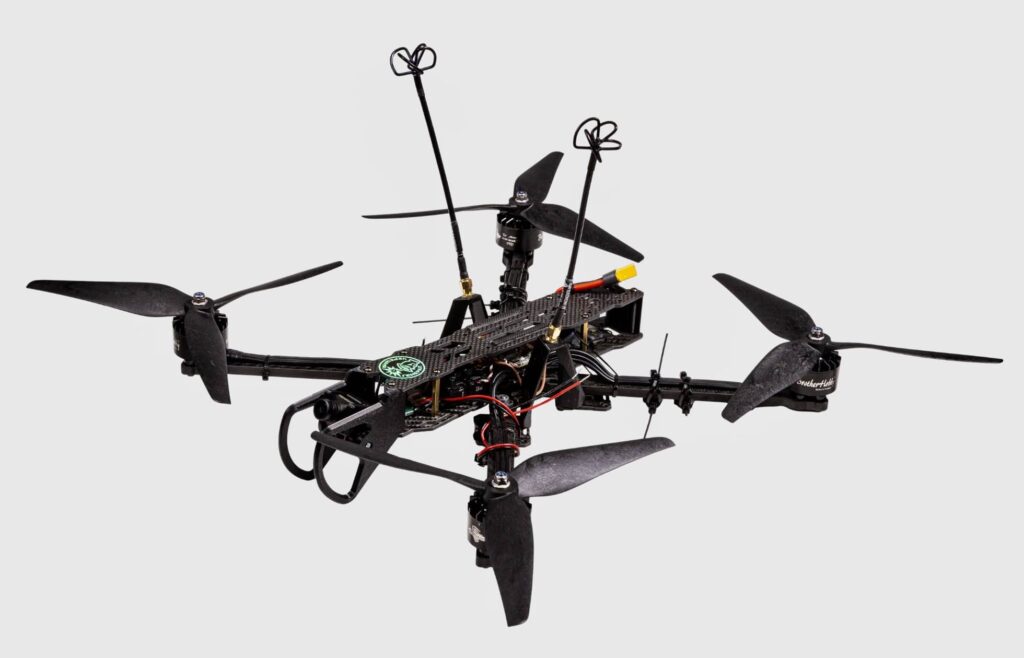
Another interceptor drone from General Cherry. Instead of Shahed, the interceptor targets UAVs such as Zala, Supercam, Merlin, Orlan, and Gerbera. It has a shorter flight time and speed than other interceptors, accelerating to 200 km/h but operating for only 20 minutes. The equipment may vary, but the main one is usually a 300-gram fragmentation charge, which makes it an FPV kamikaze interceptor.
DroneHunter
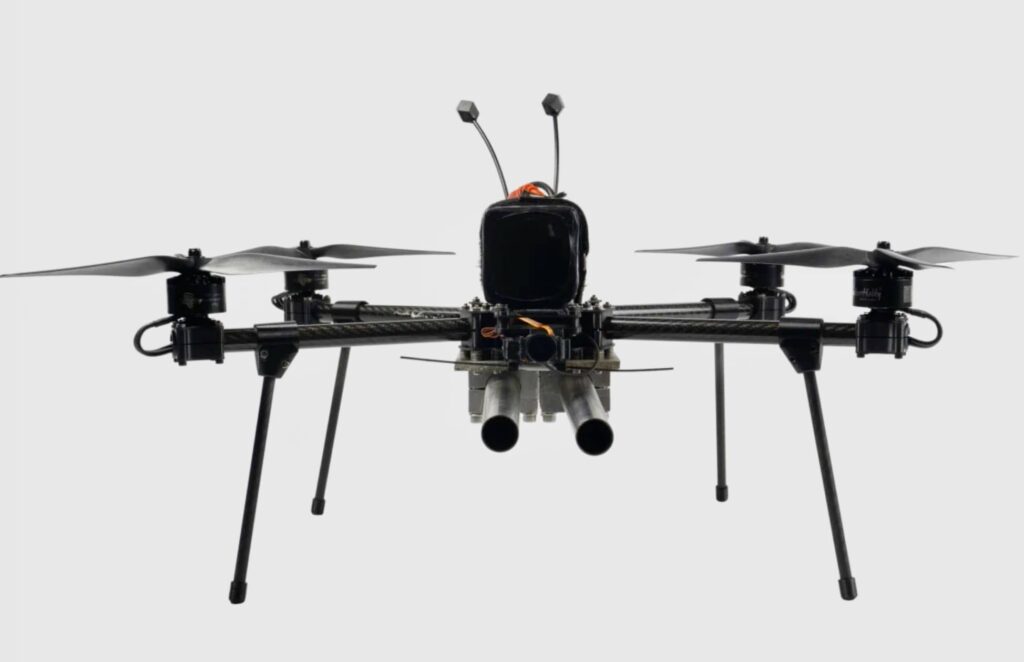
Ukrainian startup VARTA has developed and unveiled a unique drone equipped with two 12-gauge barrels and electronically triggered anti-drone shells. The range for neutralizing air targets amounts to 5-20 meters. The platform is lightweight and easy to integrate into combat operations, requiring only software calibration and basic hardware alignment.
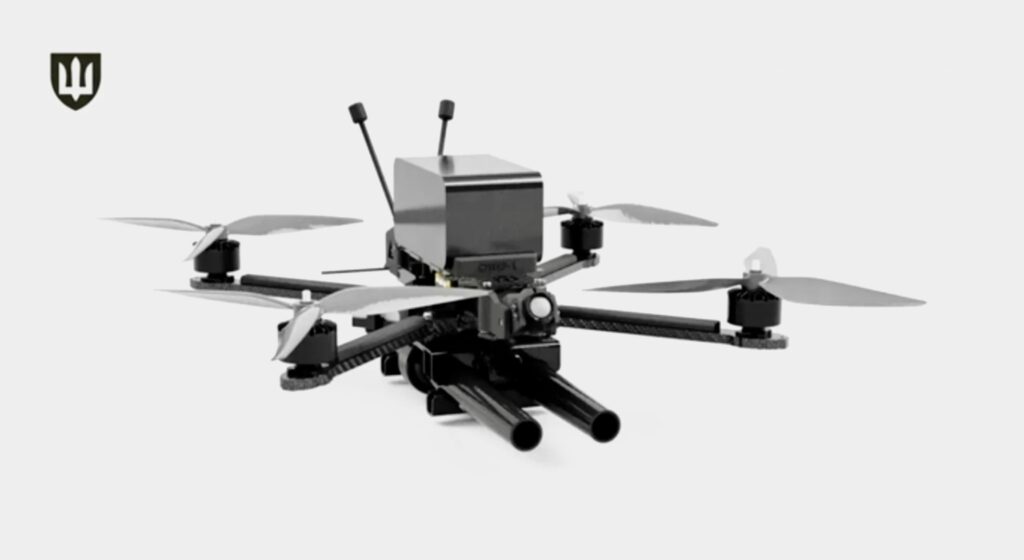
Chief-1 Drone
This drone was optimized by Ukrainian developers for air combat. Equipped with a dual-barrel system, the drone can automatically recognize targets and attack both automatically and manually. These capabilities make it effective against enemy FPV drones, bombers, and artillery observers.
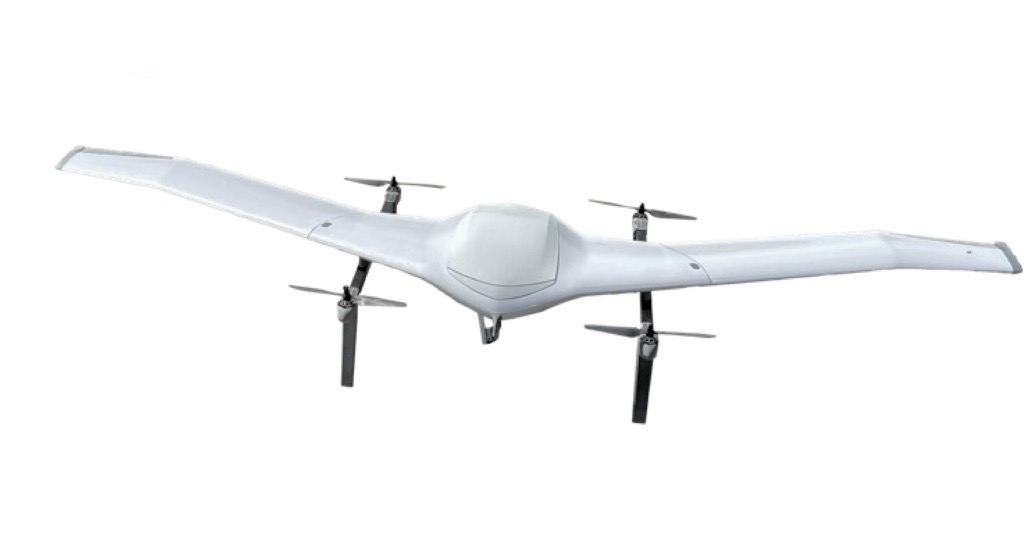
Alpine Eagle Sentinel
This German unmanned system is equipped with artificial intelligence and edge computing, which it uses to coordinate air sensors and interceptors. A single operator can control an entire swarm of drones that detect, track, and disable enemy UAVs. The system is highly effective in conflict environments and uses neutralizing munitions capable of remaining airborne.
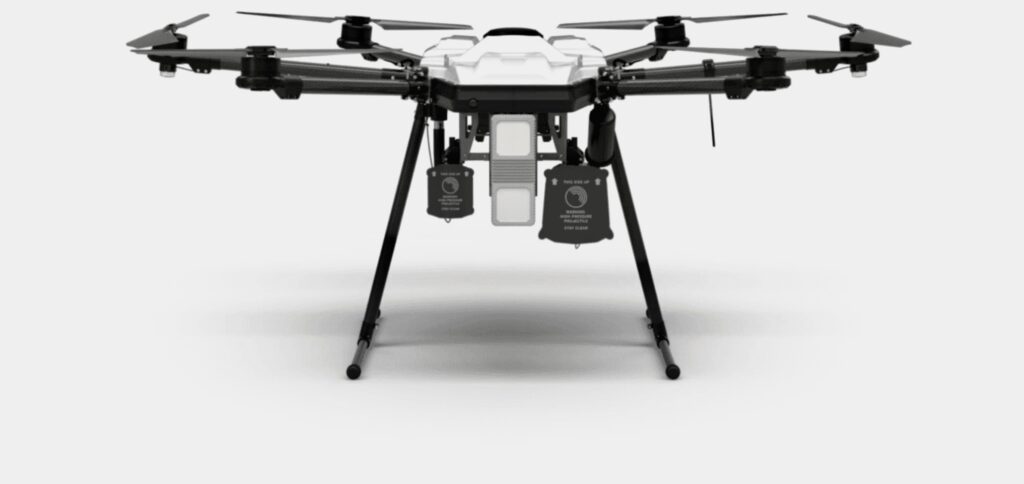
DroneHunter F700
A unique American unmanned vehicle that redefines drone interception. Like other drones, this system is based on artificial intelligence, but instead of destroying intruders, it uses network capture. Thanks to its onboard radar, targets are detected and tracked through autonomous speed and direction control. After a short period of tracking, the drone can intercept intruders and transfer them to the operator’s control. The system works equally well on quadcopters and high-speed fixed-wing aircraft.
Coyote
American technology with many different sub-models. It is a small guided kamikaze missile that intercepts air threats. It integrates into air defense systems and, depending on the model, can use various locators and improved sensors.

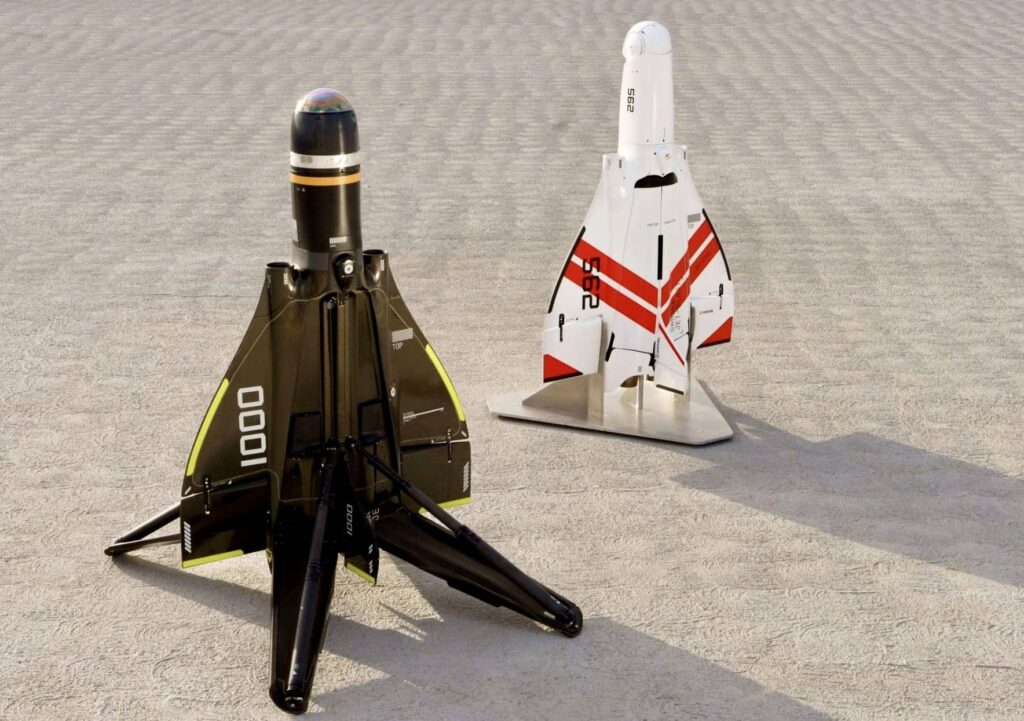
Roadrunner
An American reusable/disposable turbojet drone. Its features include vertical takeoff and target acquisition from a network of sensors. Capable of flying at subsonic speeds, the drone can perform a kinetic collision or return for reuse, depending on the configuration.
Paladin
An American drone capable of carrying various types of cargo, primarily focused on avoiding damage to third-party objects. It receives initial takeoff data from external sensors and then switches to internal sensors for physical or other interception, depending on the cargo.
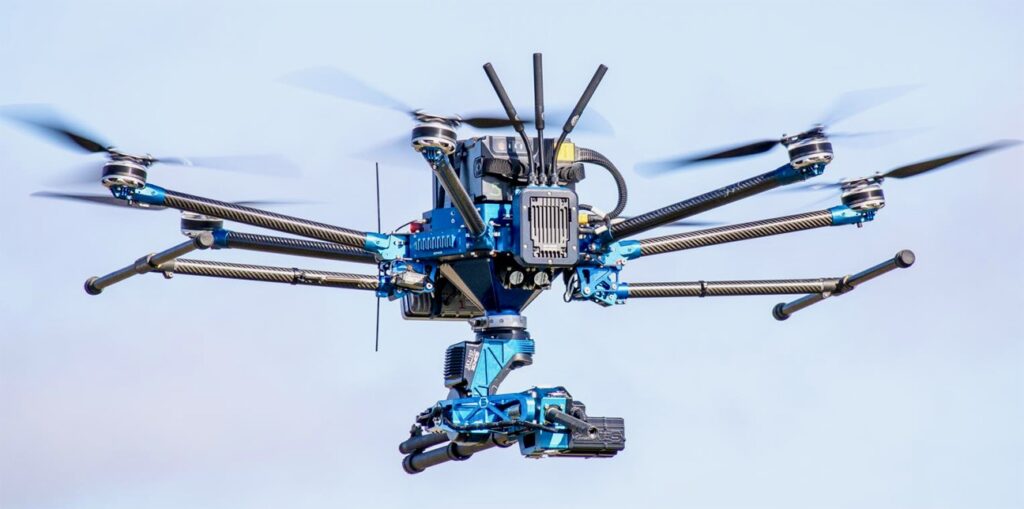
Kreuger 100
A Swedish inexpensive but scalable interceptor. Designed to rely minimally on hardware sensors and focus on external radar data for guidance. Despite its small size, it is extremely maneuverable and effectively destroys UAVs kinetically. The drone system is capable of mass deployment against numerous waves of even the smallest UAVs. Most importantly, the development focuses on quantity rather than cost.
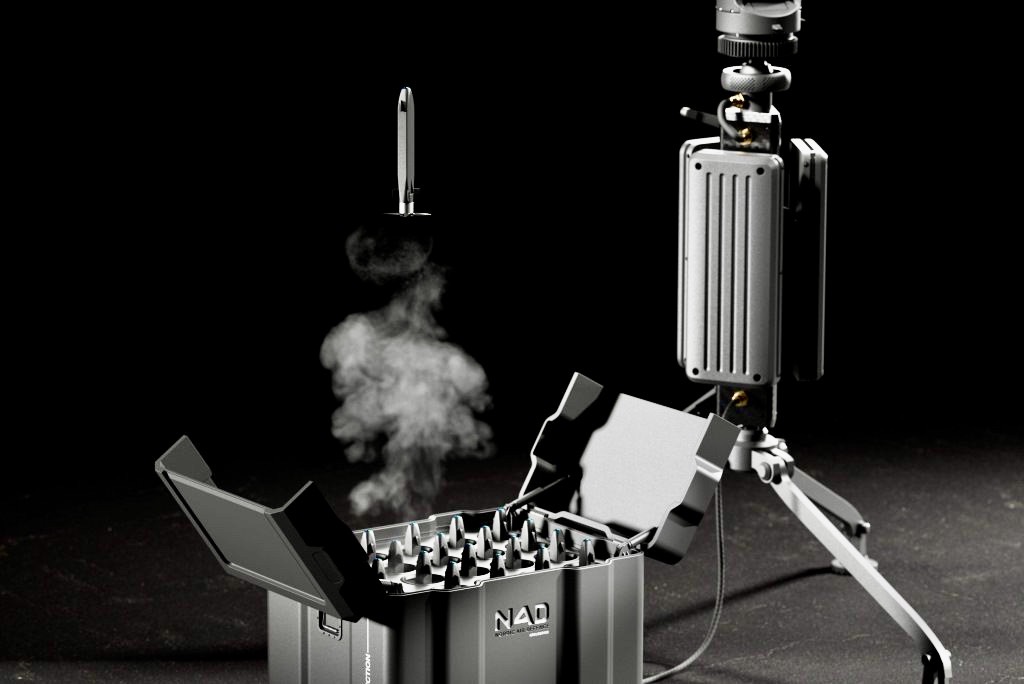
DroneLock
An Israeli integrated C-UAS platform that launches a drone after the target is marked by radar. Thanks to built-in sensors, the interceptors fly as close as possible and take out the target by various means. The target can be eliminated by controlled contact, propeller disabling, and radio jamming.
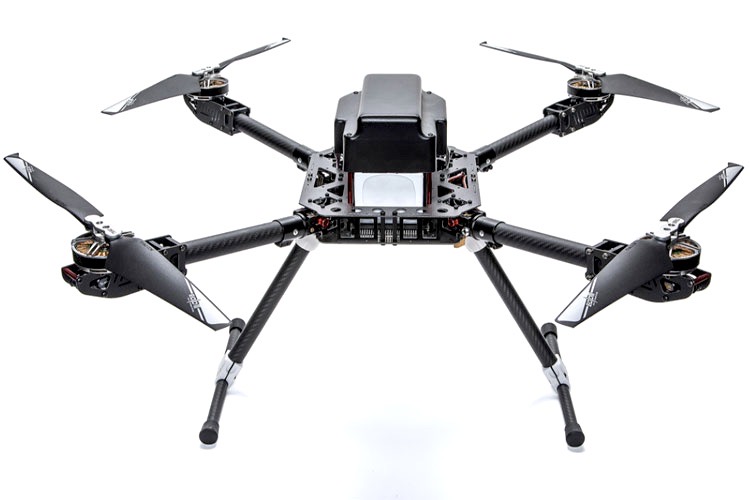
Sting
A Ukrainian drone interceptor named Sting was developed to neutralize Shahed drones. It is a maneuverable interceptor drone that is usually controlled by an FPV pilot with additional support from radars and sensors. Targets are eliminated through physical collision and the use of warheads. Mass production and application of these systems are ensured by their low cost. Their effectiveness largely depends on operator training and integration with a sensor network, which is a minor drawback that is offset by the large number of highly qualified operators.
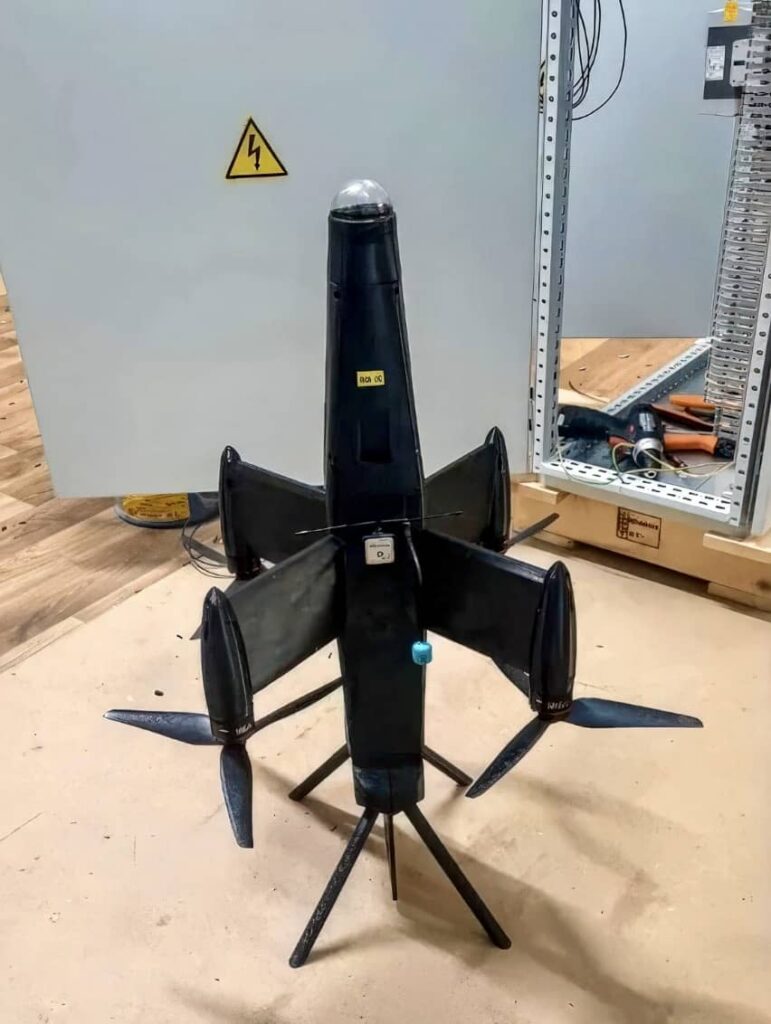
Comparison of Interceptor Drones vs. Air Defense Systems
Airborne threats are constantly evolving, requiring corresponding developments in defense systems. As a type of air defense, interceptor drones improve the operational efficiency of defense systems and their cost-effectiveness. Designed as the newest versions of air defense, interceptor drones are capable of responding in real time and instantly adapting to threats, while being much cheaper than most defense solutions. Expensive missile systems and slow-to-deploy ground-based radars can focus on the tasks for which they were designed, leaving the elimination of inexpensive but destructive drones to interceptors.
| Feature | Interceptor Drone | Air Defense System (ADS) |
| Range | Short to medium (1–20 km). | Medium to long (up to several hundred kilometers). |
| Mobility | Highly mobile. | Stationary or vehicle-mounted; requires setup and logistics. |
| Reaction Time | Very fast. Can be launched immediately upon detection. | Fast. Depends on radar and command systems coordination. |
| Cost per Engagement | Relatively low. Depends on cargo. | High. Uses expensive interceptor missiles or ammunition. |
| Target Types | Small drones, UAVs. | Aircraft, helicopters, cruise missiles, and larger drones. |
| Autonomy | Can operate autonomously with onboard AI and vision systems. | Requires operator input and radar data analysis. |
| Deployment Environment | Flexible. Can operate in urban or remote areas. | Best suited for military bases, borders, or critical infrastructure. |
Advantages of Drone Interceptors
Let’s take a closer look at drone interceptors and analyze what makes them a revolutionary solution in the field of air defense.
- Cost-effectiveness
Air defense munitions are significantly more expensive than kamikaze and other attack drones, which significantly depletes economic resources. Meanwhile, an interceptor drone can eliminate multiple threats through jamming, energy warfare, and other means. Kamikaze interceptor models, in turn, are quite cheap, costing between $300 and $2,000, which makes them a more cost-effective solution.
- Instant response in real time
Thanks to their compact size, interceptor drone systems can act instantly from any location, and that’s not all. Most interceptor models operate not only thanks to operators but also automatically based on AI. AI allows it to assess and distinguish between different types of threats during flight and adjust targeting strategies without significant delay.
- Unique deployment flexibility
Thanks to their compact size, many interceptor systems can be deployed directly on FPV quadcopters or fixed-wing drones. This will extend the flight range and spectrum of operational scenarios for border patrol and strategic object protection.
What is Anti-Drone Technology and Its Types
Since drones are becoming increasingly common as a means of warfare, technologies to counter them are developing in parallel. These technologies include radars, radio frequency scanners, and cameras, as well as neutralization systems such as jammers, high-power microwave devices, lasers, and kinetic weapons such as nets or projectiles. The goal of these developments is to detect, track, neutralize, and physically disable unauthorized drones. Let’s take a closer look at each type and find out how anti-drone technology works.
Drone Detection Systems
Drone detection radar. Using radio waves, they detect and track drones, determining their speed and trajectory.
Radio frequency. Scanners that capture drone communication signals, identifying and tracking operator-controlled drones.
Optical and infrared. High-resolution cameras that visually identify drones and thermal imagers that identify them by thermal signatures in low light conditions.
Drone Neutralization Systems
Radio frequency jammers. Designed to disrupt radio communication between the drone and the operator by transmitting false signals, forcing the drone to land or return.
GPS spoofers. Similar to jammers, they send false GPS signals to confuse the drone’s navigation system and knock it off course.
High-power microwave weapons (HPM). Devices that emit intense microwave radiation damage the drone’s internal electronics from a distance.
Energy lasers. Weapons that direct a powerful energy (laser) beam, melting the propellers and electronics of the drone.
Kinetic equipment. Explosive kinetic devices that detonate on contact, nets that entangle propellers, powerful rifles, and other equipment.
Cyber interception. Capture of the drone’s control system through software to intercept control.
Ukrainian Anti-Shahed Interceptor Drone Manufacturing
Ukrainian infrastructure and civilians are constantly suffering from massive Russian attacks with Shahed and Gerber drones. That is why Ukrainian technologists urgently began to develop interceptor drones for counteraction and protection. As a new solution, interceptors are capable of operating effectively at high speeds and at night, when enemy drones most often operate for stealth. They can also quickly detect and destroy air threats before they approach infrastructure or populated areas, and most importantly, with minimal collateral damage. Here is some brief news from the Militarnyi regarding the development of Ukraine drone interceptors:
“The modern interceptor’s design focuses on the tactics of the Shahed-136 to operate effectively regardless of the complexity of the conditions. The specific name of the Ukrainian anti-Shahed FPV drone interceptor has not been specified, but its production has been confirmed.
Currently, developers are upgrading the automation component of the interceptor system by implementing a terminal guidance system that will fully automate the system and reduce the need for personnel. Ukrainian technologies are advancing rapidly, creating new means of protecting the sky, with the Ukrainian group “Wild Hornets” having already developed a copter-type interceptor drone capable of reaching an altitude of 11 kilometers.”
Anti-Shahed Interceptor Drones: Ukraine and the UK Production
As we have already mentioned, Russia’s massive attacks on Ukraine with Shahed drones are constantly increasing, reaching 6,900 deployed attack drones in September 2025. As the number continues to grow, addressing Ukraine’s air defense issues is urgent. That is why Ukraine and its strategic partner, the United Kingdom, are negotiating a joint project to establish the production of interceptor drones. On September 11, 2025, both countries signed an agreement on the production of interceptor drones with the goal of manufacturing 2,000 units per month in the near future.
“Very shortly, we’ll be producing around 2,000 drones a month, deliberately shipping all of them to Ukraine so they can be used to intercept Russian drones,” stated Luke Pollard, UK Minister of Defense and Industry, to Bloomberg.
According to Pollard, the project, titled Octopus, is currently in the negotiation stage and could be implemented in the coming months. The production of interceptor drones will initially be located in the UK.
Russian Shahed drones were developed, manufactured, and supplied to Russia from Iran in the early stages of the war. Russia has now independently launched mass production of Shahed drones under the name Geran-2. These are now Moscow’s preferred weapons, which regularly and mercilessly strike infrastructure and civilian buildings.
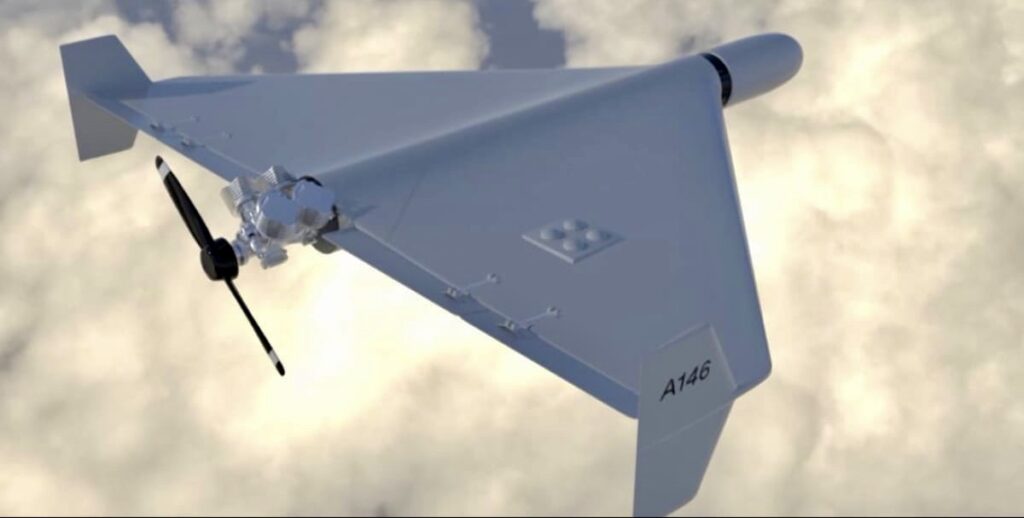
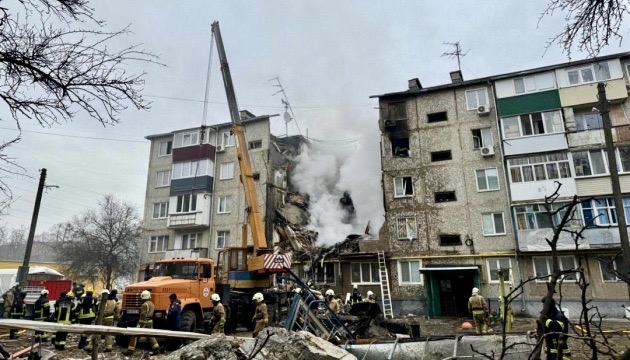
That is why Ukraine’s goal is now to intercept every Russian drone over Ukrainian territory.
Ukrainian Interceptor Drones as European “Drone Wall”
The agreement between Ukraine and the UK on the joint production of interceptor drones as part of the OCTOPUS project will form the basis of the planned European “Drone Wall” initiative designed to protect NATO’s eastern borders, according to The Telegraph. The UK is to become the initial base for development, gradually establishing large-scale production to counter the intrusion of Russian and other unauthorized drones into NATO airspace.
The UK is already a leader in the development of unmanned aerial vehicles and plans to integrate interceptor technology into missile defense systems for its own protection in the future.
Under the Drone Wall initiative, drones developed by the OCTOPUS program will become part of a broad, multi-layered air defense system along NATO’s eastern flank.
Final Thoughts
In this article, we mentioned how large-scale and devastating Russia’s regular drone attacks on Ukrainian infrastructure and civilians are. The scale is growing exponentially, requiring immediate decisions and innovations in airspace defense. Interceptor drones are precisely this innovative solution. They do not completely replace air defense systems, but are a separate type that focuses on drones and low-cost strike missiles. This makes air defense more versatile, effectively and inexpensively eliminating threats.
So, the anti-drone solution has already been developed and continues to evolve. The next step is mass production, which Ukraine is getting help with from partner countries and volunteer initiatives like FreedomSky. Join in and make a big difference in bringing peace to Ukraine’s airspace.