Skip to content

Are we anywhere near Skynet-like drones swarming the frontlines?
Not yet. At least for now.
Still, artificial intelligence (AI) keeps showing up in headlines about the ongoing Russian invasion of Ukraine. Let’s break down what is actually happening on the ground.
And don’t worry about buying anti-drone guns just yet, Ukrainian military innovators have better priorities in developing AI than bringing Terminator androids to life.
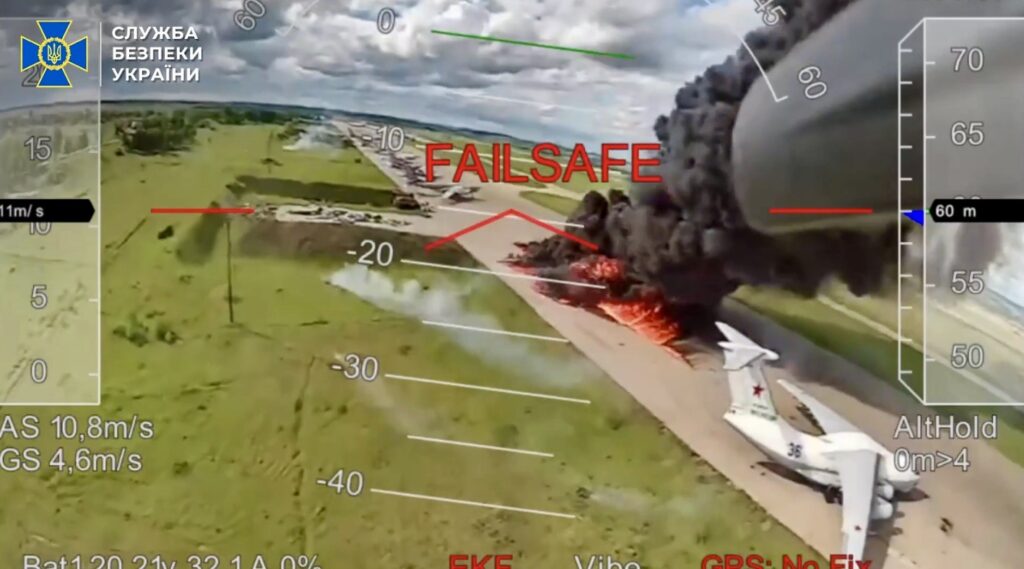
Since Russia launched its full-scale invasion against Ukraine in 2022 (following the limited war that began in 2014), Ukraine has faced a harsh reality: a much larger enemy force with lots of weaponry, a weakened domestic military industry, and slow, fragmented aid from partners who signed security assurances to Ukraine as part of the Budapest Memorandum and other EU-NATO states.
So what do you do when you face an overwhelming enemy, a shortage of manpower, and unreliable weapon supply? You innovate. That is exactly what Ukraine did.
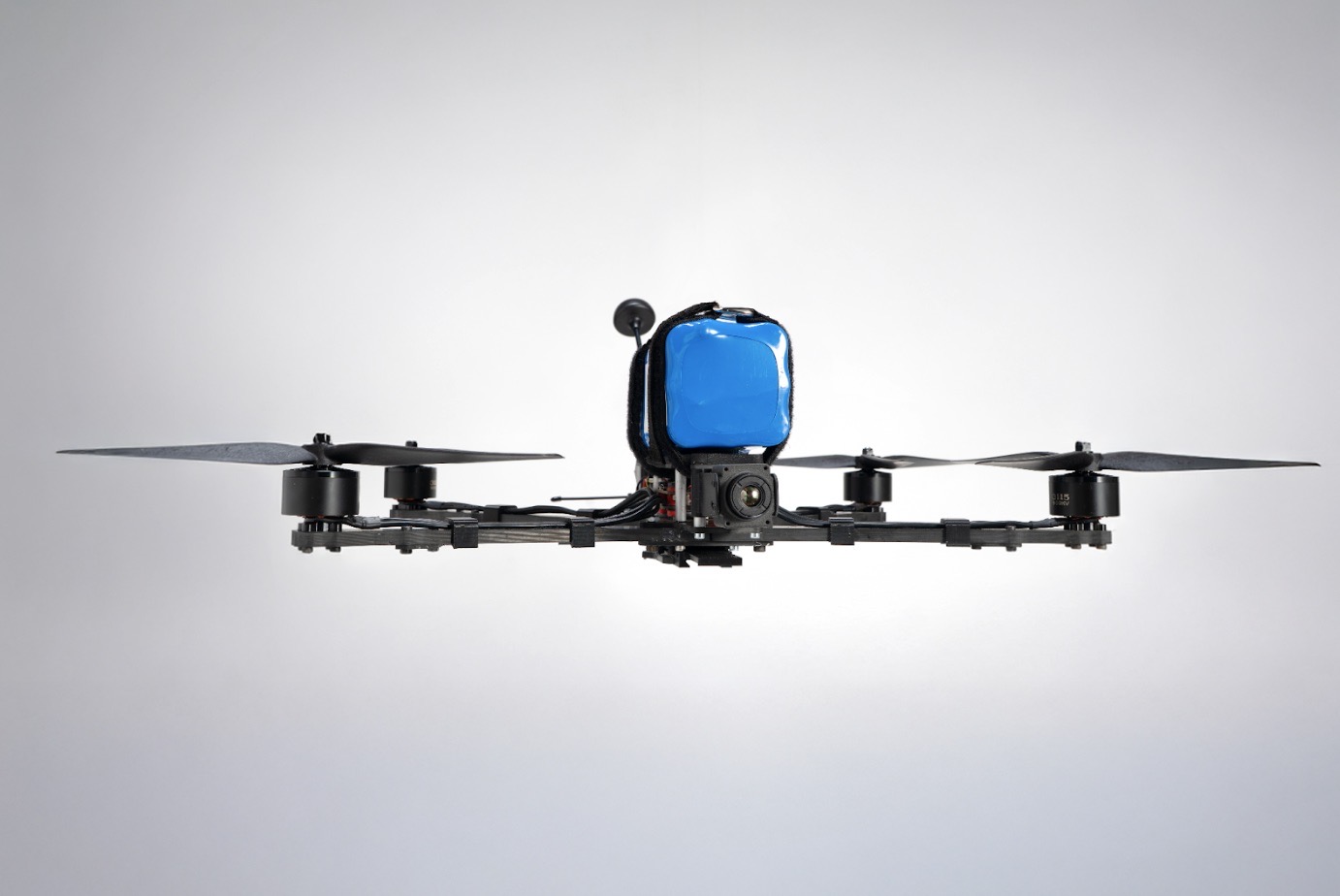
Early on, Ukraine adopted small commercial first person view drones (FPV drones), also known as unmanned aerial vehicles (UAVs), for reconnaissance. Soon, they became tools for logistics, defence, and precision strikes deep within trenches. Then came naval drones targeting Russian ships in the Black Sea, followed by experimental ground vehicles carrying supplies or rescuing wounded soldiers.
All these systems had similar vulnerabilities. Jamming. Signal loss over distance or terrain. Risks to pilots’ safety near the enemy.
This is where AI matters. Not for kill decisions but to solve real operational problems that keep drones effective under pressure. The most visible progress in Ukraine’s military AI is currently focused on these three areas:
AI Capability 1: Target Locking
Challenge
Attack drones often lose connection near targets. Jamming around high value assets or weak radio signals near ground obstacles breaks the link between operator and drone.
The AI Solution
AI-powered target locking lets a drone continue its final approach after losing signal. The AI algorithm reads the live camera feed, identifies the target, and steers the drone until impact. It can also track a moving target. Once locked, the drone finishes the strike without further pilot control.
Field Report
In June 2025, Ukraine launched Operation Spiderweb that destroyed Russian long-range bombers deep inside Russian territory. Hundreds of quadcopters used AI systems locked onto individual bombers through pre-trained shape recognition. When signals dropped, the onboard AI guided drones to specific locations on the aircraft to maximize damage.
An article on KyivPost offers more details on AI used in Spiderweb operation.
Who is building it?
Ukrainian startup The Fourth Law has commercialized AI modules for drones that enable autonomous target tracking and drone guiding, check them out.
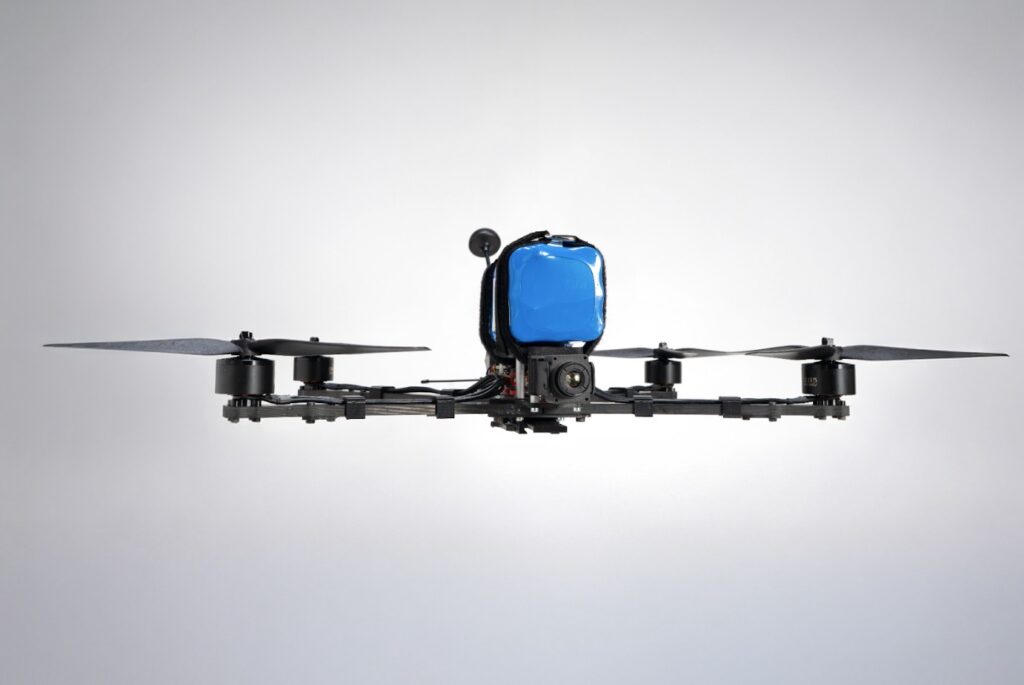
AI Capability 2: Long Haul Navigation
Challenge
Long-range drone flights suffer from jamming and a weak signal over distance. Even if a drone cruises autonomously using GPS, the enemy can jam GPS connection and knock a drone off course. Pilots may be forced to navigate an FPV hundreds of miles with only a narrow camera view. To stay on course, pilots need to identify drone’s current location by matching what they see on the ground with objects on satellite maps like buildings, lakes, or hills.
The AI Solution
Terrain Relative Navigation AI modules. Think of this as the drone “reading” the ground. Instead of asking a satellite “Where am I?”, the drone uses its camera to scan the terrain and objects (buildings, trees, lakes, etc.) below and compares it to a memorized map stored offline. Combined with depth and altitude sensors, the drone knows exactly where it is without ever needing a GPS signal.
Who is building it?
Blue Arrow, an American Ukrainian defence tech startup, is building low cost visual navigation hardware for GPS denied environments. They also work on AI for target tracking and detection. Show them some love by following on LinkedIn.
AI Capability 3: Swarm Drone Control
Challenge
Multi-drone missions are hard to scale. An UAV swarm normally needs one pilot per drone, supported by navigators and coordinators. With so many people involved, communication slows down, coordination becomes complicated, and decision-making gets delayed when real-time challenges arise.
The AI Solution
Autonomous swarm control systems that use AI to link multiple drones into a single coordinated system. The AI-powered system manages inter-drone communication, navigation, timing, and role assignment, such as reconnaissance or bomber. The AI algorithm can automatically adjust the swarm to battlefield changes, such as a drone running low on power or being disabled, keeping the mission on target. This system allows a single pilot to control a complex, multi-drone mission with a smaller support crew of navigators and mission planners.
Impact
A mission that once required a crew of nine operators can now run with three (a pilot, a navigator, and a coordinator). Ukraine’s drone pilot talent is limited as training is not catching up with frontline needs, so the swarm technology will be a force multiplier for crews that lack manpower.
Who is building it?
A Ukrainian startup, Swarmer, provides AI software that enables this capability. The system controls an FPV drone swarm (tested with up to 25 drones) to autonomously plan routes, assign roles, and execute synchronized engagement.
Follow Swarmer’s team here.
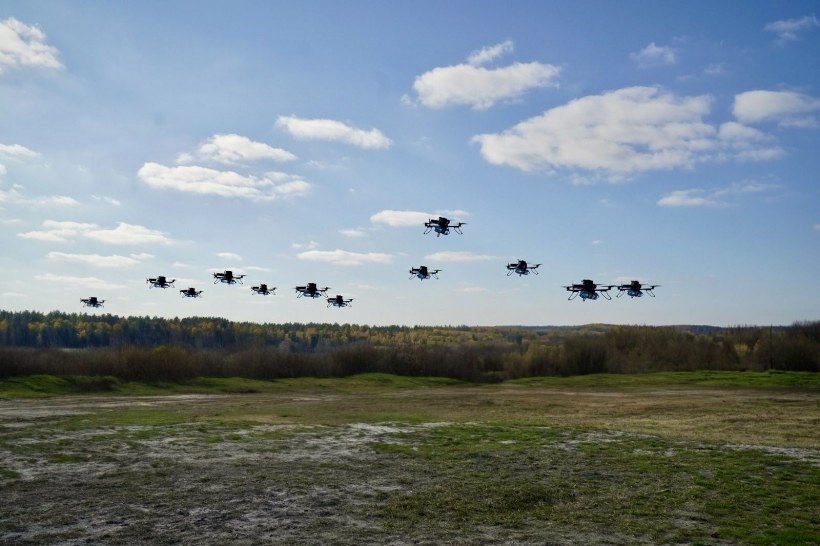
What links these three capabilities, Target Locking, Visual Navigation, and Swarming, is not a desire for sci-fi “killer robots,” but Ukraine’s pragmatic necessity to innovate for survival. It is not about “autonomy” or replacing human judgement. No, Ukrainians develop AI to protect their nation’s most valuable resource: their people.
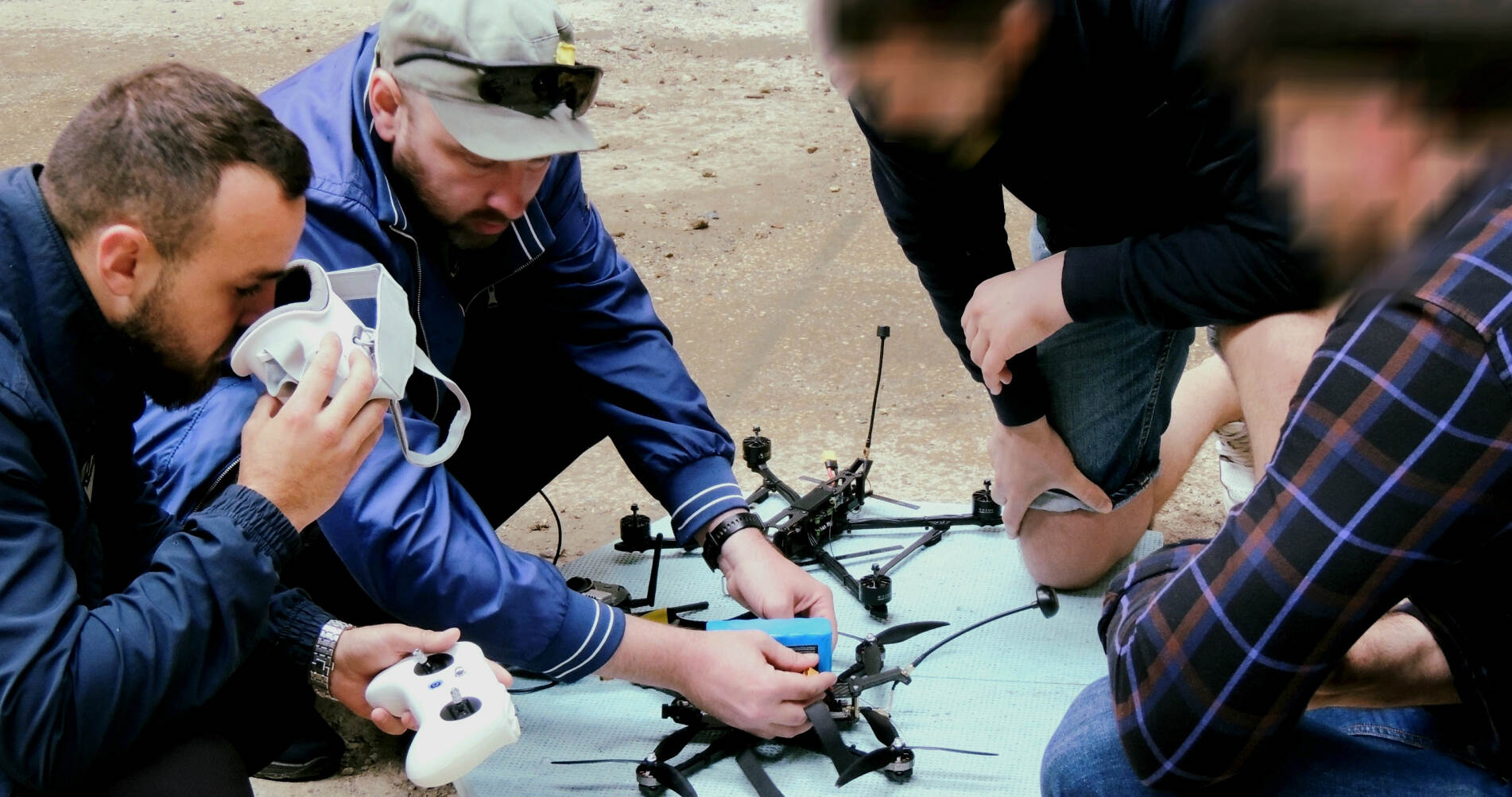
Despite these technological leaps, the backbone of Ukraine’s defense remains its people. The technology is useless without trained engineers to build it, instructors to teach it, and operators to deploy it.
Despite these technological leaps, the backbone of Ukraine’s defense remains its people. The technology is useless without trained engineers to build it, instructors to teach it, and operators to deploy it.
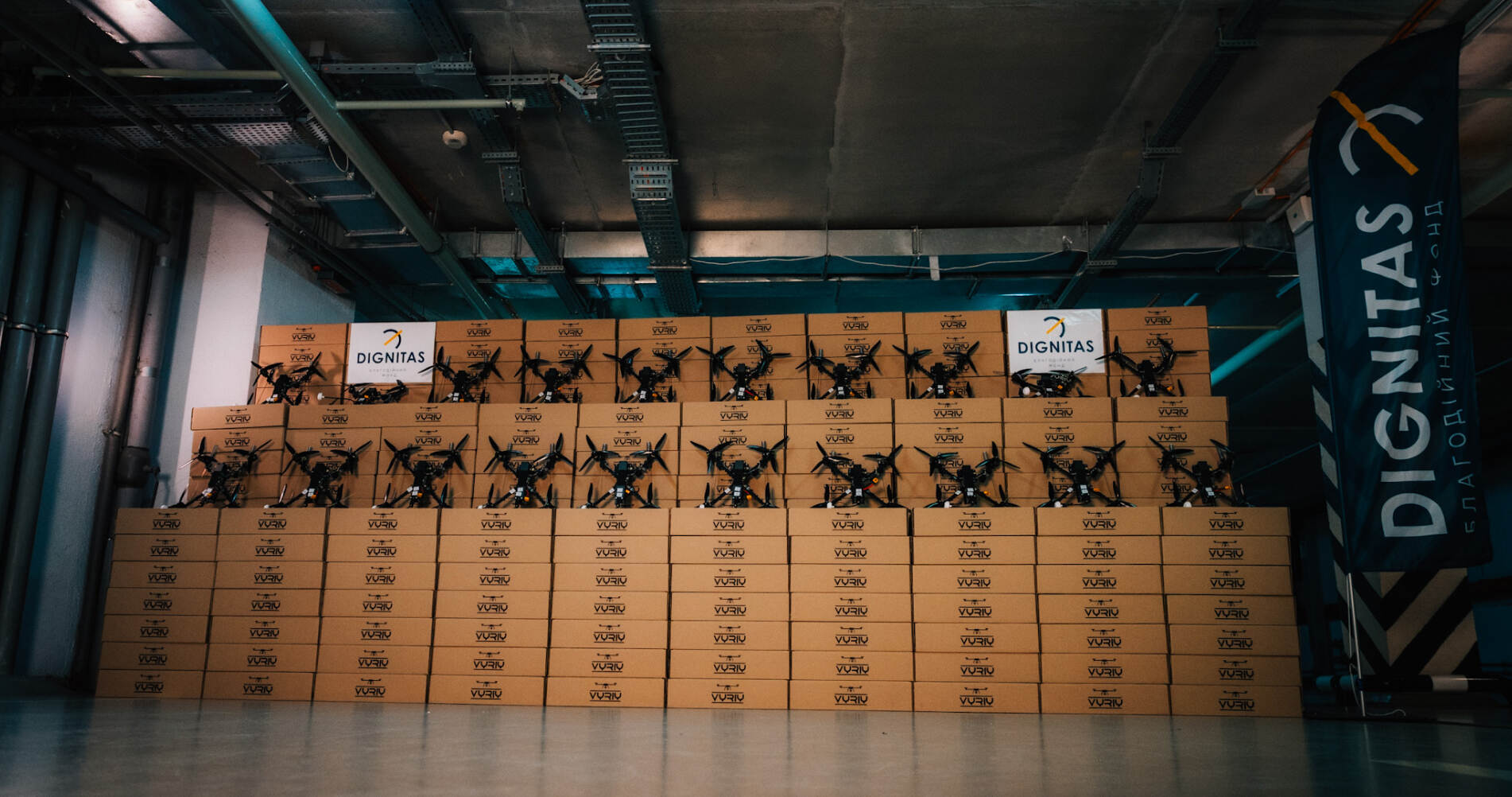
Dignitas Ukraine is a volunteer group dedicated to this exact mission. Their Victory Robots Initiative isn’t just about training pilots; it is building a professional class of Unmanned Ground Vehicle (UGV) specialists. They are integrating robotics into the very architecture of Ukraine’s defense, supporting local developers, and validating prototypes in the harshest testing ground on earth: the frontline.
We invite you to support our mission through donations, spreading the word, or joining our initiatives. Together, we can bring more life-saving technology to the front and help Ukraine move closer to victory. Don’t be a stranger, visit our Victory Robots initiative to learn more.