Skip to content

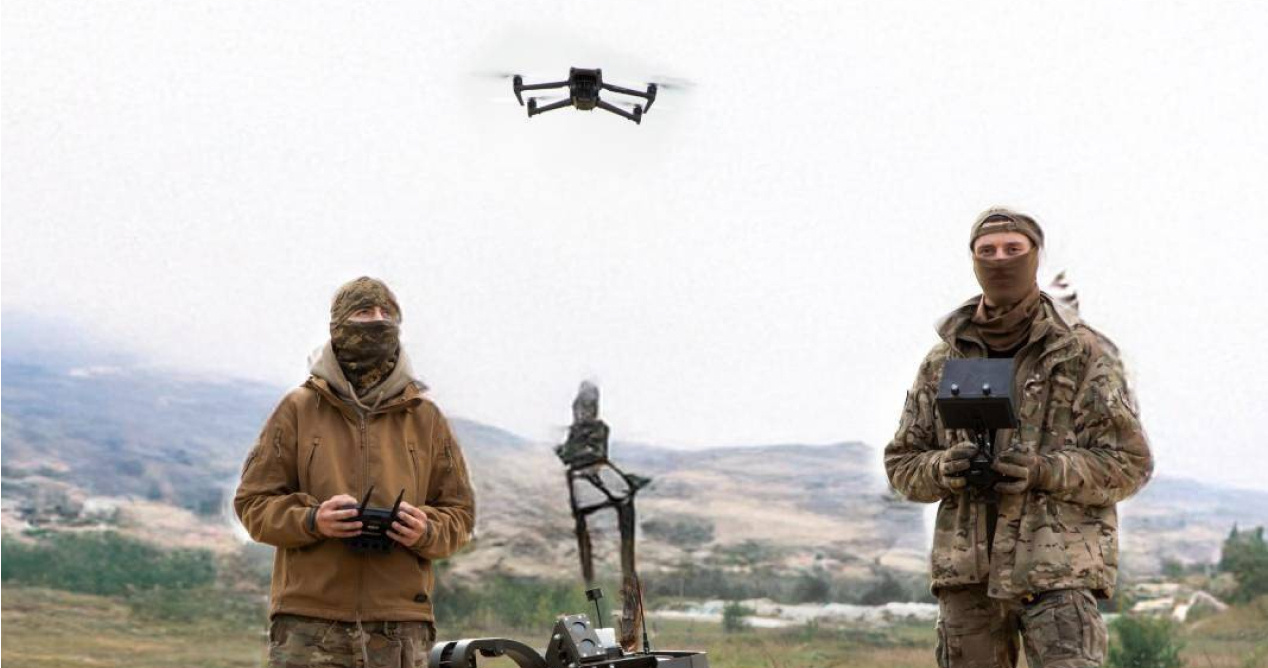
Unmanned aerial vehicles, сommonly known as drones, have evolved from niche engineering curiosities into one of the most transformative technologies of our era. In just over a decade, drones have reshaped entire industries, redefined how we collect data, deliver goods, protect borders, and even inspire the next generation of engineers. This article explores where drone technology stands today and where it is headed in the years to come.
What Drones Are Capable of Today
Agriculture and Environmental Monitoring
Modern agriculture has embraced drones as indispensable tools. Equipped with multispectral cameras and sensors, agricultural drones can map crop health across hundreds of hectares in a single flight — detecting nutrient deficiencies, water stress, and pest infestations far earlier than the human eye could. According to the Food and Agriculture Organization of the United Nations, precision aerial monitoring can reduce pesticide use by up to 40% while simultaneously increasing yields.
Environmental scientists rely on drones to monitor deforestation, track wildlife populations, map glaciers, and survey disaster zones – all without putting researchers at risk or disturbing fragile ecosystems.
Infrastructure Inspection
Inspecting bridges, power lines, pipelines, and wind turbines used to require costly scaffolding, rope access teams, or helicopter flyovers. Today, drones equipped with high-resolution cameras and thermal imaging sensors perform these tasks in a fraction of the time and at significantly lower cost. Anomalies in structures from cracks in bridge supports to overheating in electrical lines can be flagged automatically using AI-assisted image analysis.
Search and Rescue
Drones have become vital tools for search and rescue operations. Thermal cameras allow first responders to locate individuals in dense forests, collapsed structures, or floodwaters when ground teams cannot safely reach the area. Response times that once measured in hours can now be reduced to minutes.
Logistics and Delivery
E-commerce giants and healthcare providers alike are investing heavily in drone delivery networks. Medical supply chains have particularly benefited: drones are already delivering blood, vaccines, and emergency medications to remote communities in Rwanda, Ghana, and beyond. Urban last-mile delivery programs are advancing rapidly across Europe and North America.
Reconnaissance and Situational Awareness
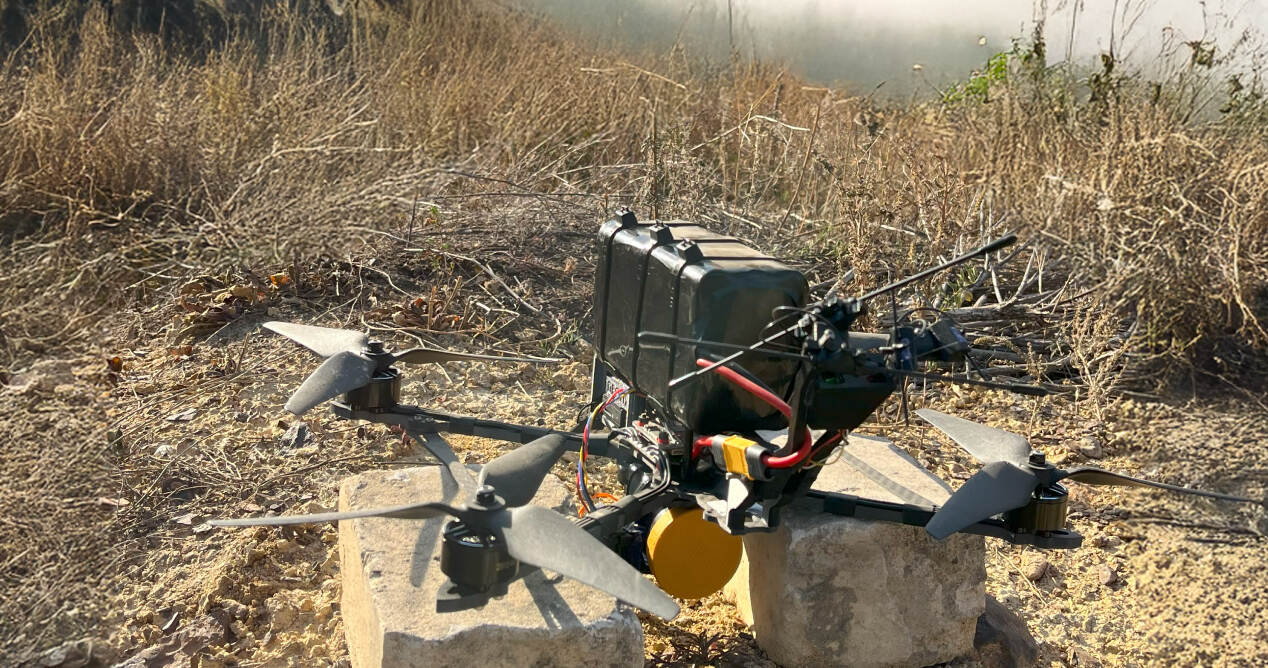
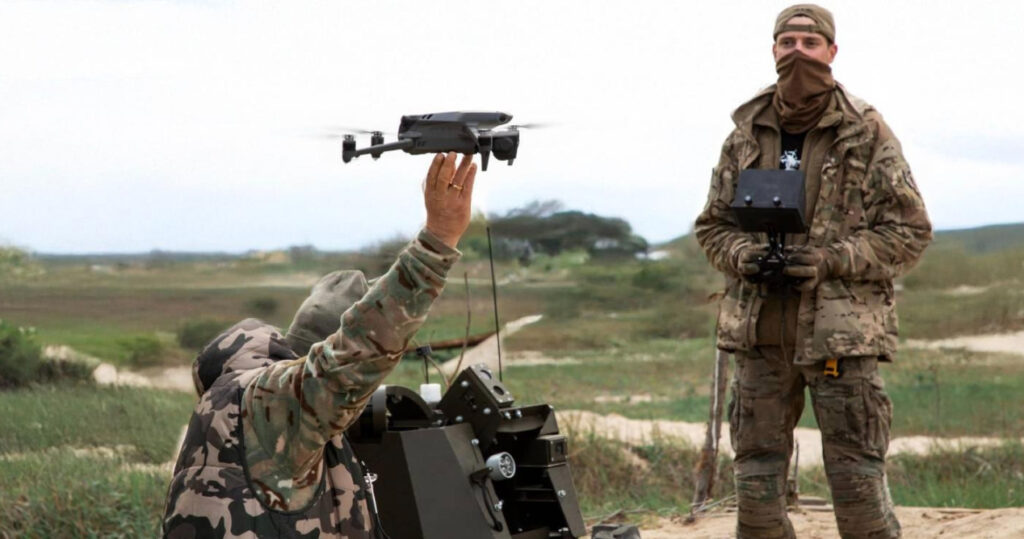
In contexts where real-time situational awareness is critical like border monitoring, disaster management, large-scale event security drones provide an aerial view that ground-based systems simply cannot replicate. FPV (first-person view) drones, in particular, have proven capable of rapid, close-range reconnaissance in complex environments.
The Intersection of Drones and Human Resilience
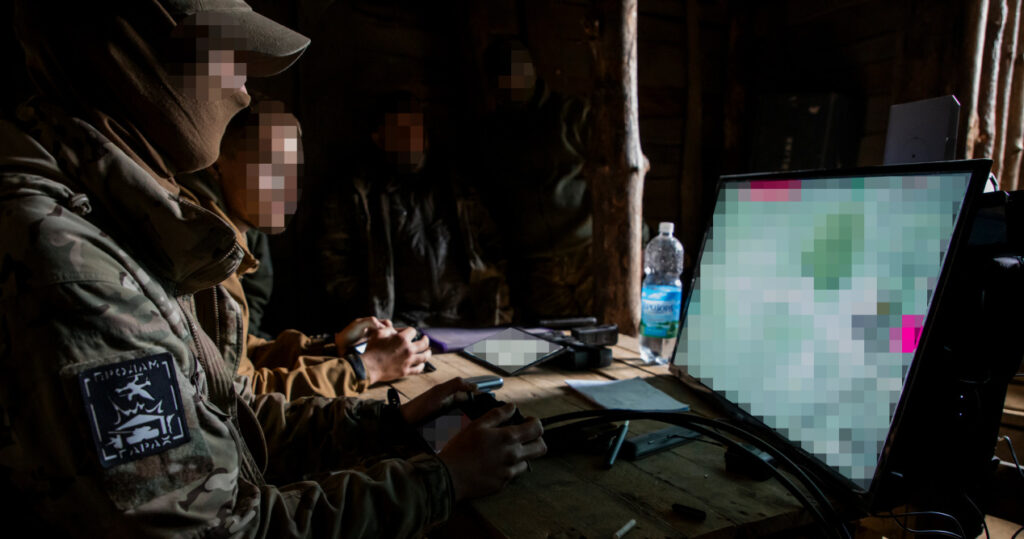
Ukraine has become an unexpected global laboratory for drone innovation. The urgency of the situation has compressed years of development into months, producing rapid advances in drone autonomy, resilience to electronic countermeasures, and ground-based robotic systems.
The Dignitas Ukraine has been at the center of this evolution since the earliest days of the full-scale russian invasion. Several of Dignitas’s initiatives directly reflect the cutting edge of drone application:
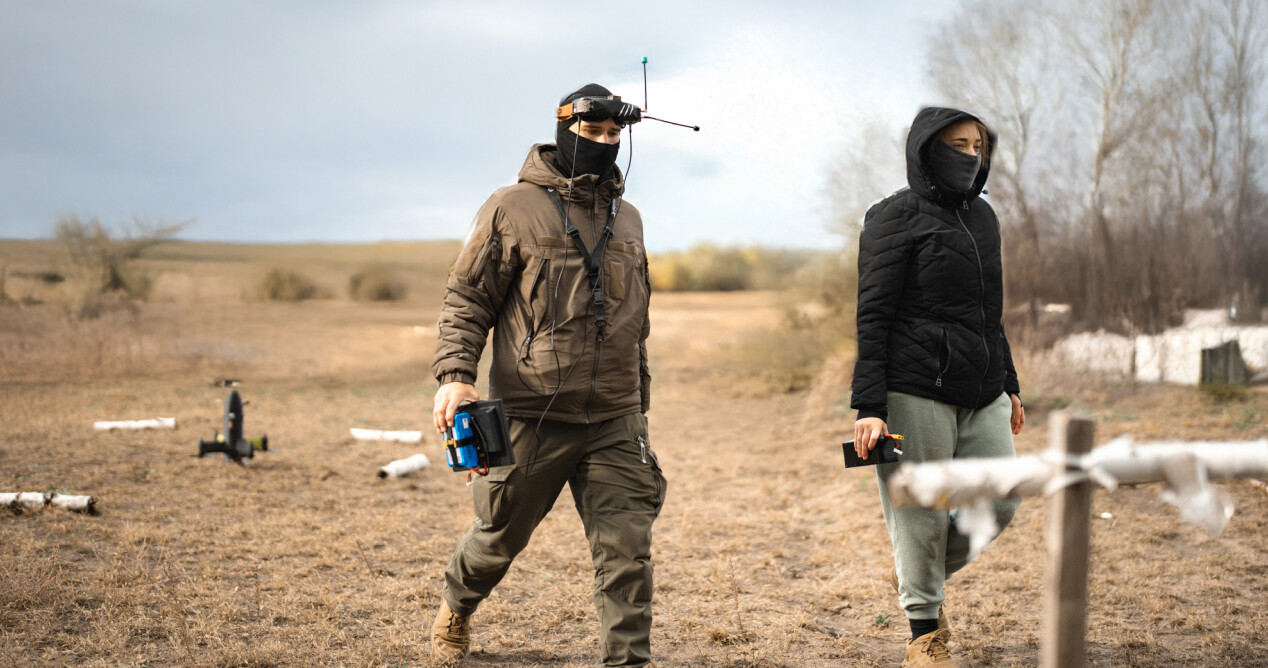
Victory Drones — a comprehensive training and supply system for UAV operators working with the Armed Forces of Ukraine and the State Emergency Service. The program not only delivers drones and components but builds the human expertise required to use them effectively.
Victory Robots — an initiative focused on ground-based unmanned vehicles capable of transporting heavy loads, delivering essential supplies, and evacuating the injured from areas where human access is too dangerous.
FreedomSky — a layered anti-drone defense system designed to detect and intercept strike UAVs before they reach populated areas and critical infrastructure. This initiative demonstrates how drones are not only tools of action but also subjects of defense innovation.
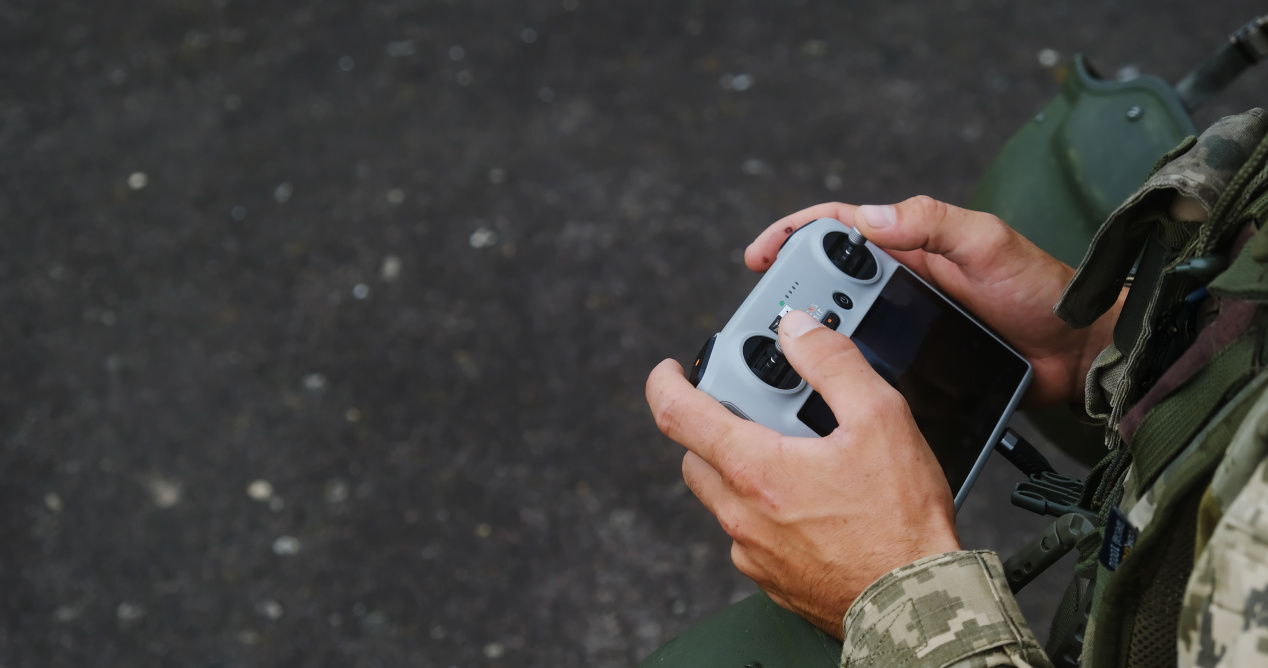
Flight to Recovery — a program that helps veterans acquire the skills to operate and repair civilian drones, creating direct pathways to employment in a rapidly growing sector.
Tech Explorers — a STEM education initiative that introduces Ukraine’s youth to drone engineering, preparing the next generation of innovators for a technology-driven future.
Where Drone Technology Is Headed
Autonomous Swarms
One of the most significant frontiers in drone development is swarm technology coordinated networks of dozens or hundreds of UAVs operating autonomously toward a shared objective. In civilian applications, drone swarms are already used for large-scale aerial light shows. In the near future, swarms will likely be deployed for large-area crop spraying, coordinated infrastructure surveys, and complex search and rescue operations where multiple simultaneous perspectives are needed.
AI Integration and Edge Computing
Modern drones increasingly carry onboard AI processors capable of making real-time decisions without human input or a reliable data connection. Computer vision algorithms can identify objects, track movements, and assess structural damage autonomously. As edge computing hardware becomes lighter and more energy-efficient, the intelligence embedded in individual drones will continue to grow.
Urban Air Mobility (UAM)
Electric vertical takeoff and landing (eVTOL) aircraft, essentially large drones capable of carrying passengers — are advancing toward commercial deployment. Companies such as Joby Aviation, Lilium, and EHang are working toward a future where short urban flights happen routinely in dedicated air corridors, reducing surface traffic and shortening journey times across dense cities.
Counter-Drone Technologies
As drone proliferation accelerates, so does investment in detection and neutralization systems. Radar, radio-frequency scanners, optical tracking, and directed-energy solutions are all part of an emerging counter-UAV (C-UAV) ecosystem. The experience gained in real operational environments as demonstrated by projects like FreedomSky is feeding directly into the development of next-generation detection and interception systems.
Post-Conflict Reconstruction
In a post-conflict context, drones are expected to play a crucial role in rebuilding from aerial 3D mapping of damaged cities and infrastructure to the delivery of materials and equipment to areas where roads remain damaged or unsafe. Ukraine’s reconstruction will likely be one of the largest-scale tests of drone-assisted rebuilding in history.
FAQ: Drone Technology
What are drones used for today?
Drones are used in agriculture, logistics, infrastructure inspection, surveillance, and emergency response.
What is the future of drone technology?
The future includes autonomous drones, drone swarms, AI integration, and urban air mobility (eVTOL).
How are drones used in Ukraine?
Ukraine uses drones for reconnaissance, logistics, training, and counter-drone defense systems, making it a global innovation hub.
What are AI drones?
AI drones are UAVs equipped with artificial intelligence that can make decisions, recognize objects, and operate autonomously.
Are drone deliveries already used?
Yes, drone delivery systems are already used for medical supplies and are expanding into commercial logistics worldwide.
Conclusion
Drones are no longer a technology of the future, they are a technology of the present, reshaping agriculture, logistics, emergency response, infrastructure, and defense simultaneously. The pace of innovation shows no sign of slowing. What the coming years will determine is not whether drones transform the world, but how thoughtfully and equitably that transformation unfolds.
The organizations, educators, engineers, and communities that invest in drone technology today and in the people who will operate, improve, and govern it are building the foundations of that future.