Skip to content

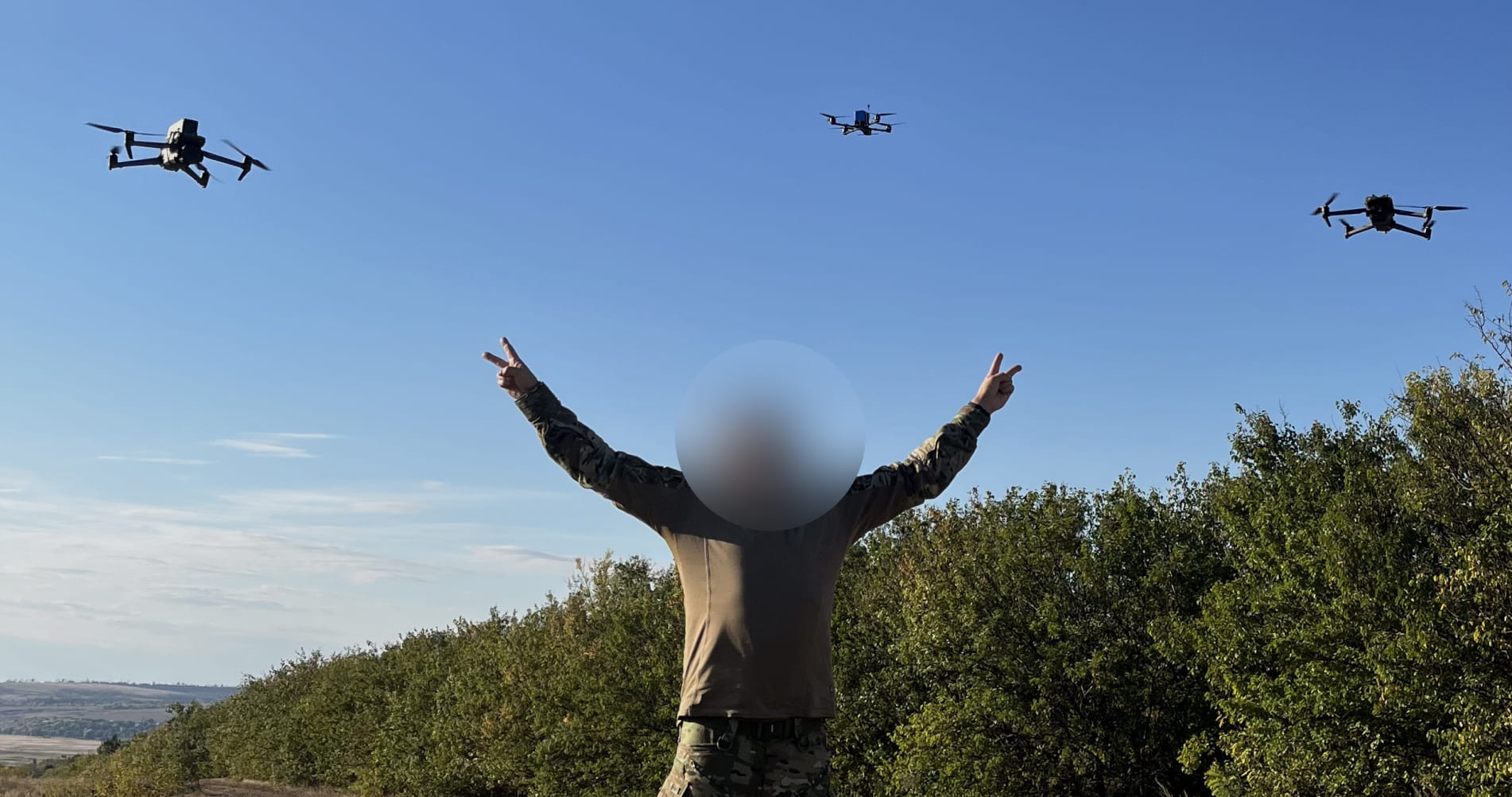
Across Ukraine, communities face daily aerial threats targeting cities and critical civilian infrastructure. One of the most persistent dangers comes from Shahed drones, long-range attack drones used by russia to strike residential neighborhoods, medical facilities, power stations, schools, and other non-military sites. These attacks damage homes, disrupt electricity, heat and water supplies, and bring serious human consequences for ordinary families.
The scale of this challenge is significant. Towns and cities must function under constant risk, and civilians are forced to adapt to ongoing danger from the sky. This raises an urgent question: how can people be protected more effectively, how can destruction be reduced, and how can communities remain safe and resilient?
What is the Anti-Shahed Frontier
Modern air defense systems are not always designed to respond quickly and economically to large waves of low-flying drones. As a result, there is a critical need for flexible, technology-driven, and scalable protection systems that can detect and stop threats before they reach populated areas.
In response to this challenge, the Dignitas Ukraine launched a large-scale defense initiative known as the Freedom Sky – Anti-Shahed Frontier. This is a structured, system-level project focused on building and sustaining a three-layer protection line designed to intercept and neutralize hostile drones before they reach Ukrainian cities and communities.
How the Initiative Works
The Anti-Shahed Frontier is designed as a coordinated protection ecosystem rather than a single tool. Its effectiveness comes from combining technology, trained people, local coordination, and policy support.
Protective Technology
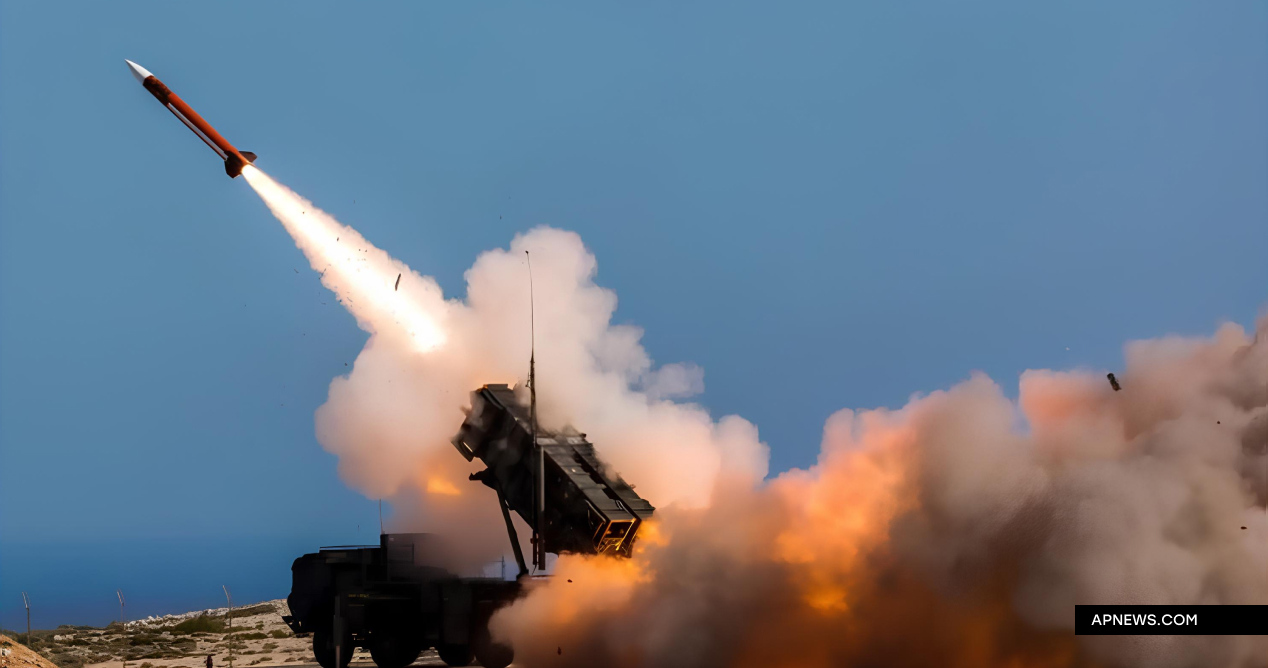
The project supplies modern interception and neutralization systems designed to stop hostile drones before they reach populated areas. These include detection tools, tracking solutions, and rapid-response counter-drone equipment. The goal is early identification and safe neutralization, minimizing damage to homes, utilities, and community facilities.
Crew Training
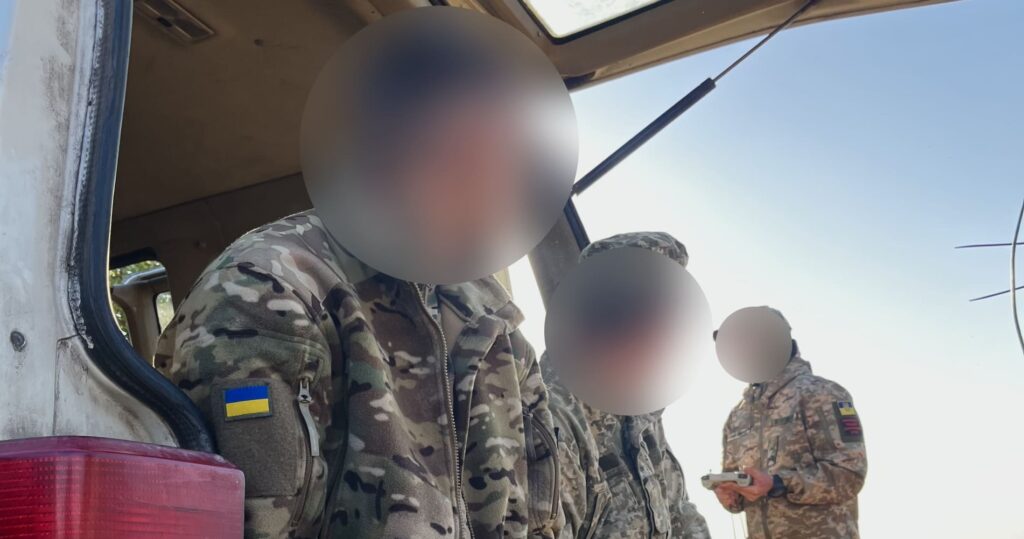
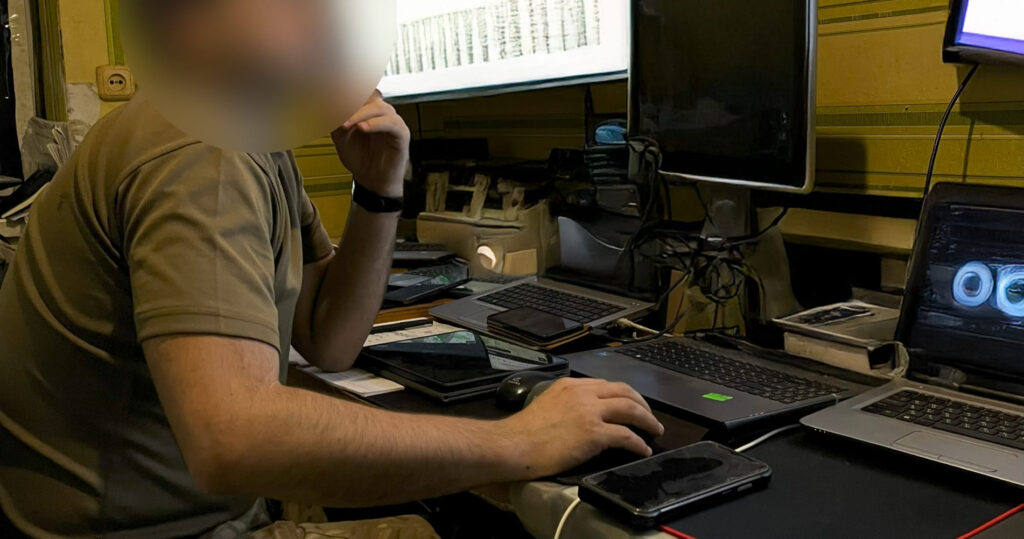
Equipment alone is not enough. Military personnel and qualified civilian operators receive specialized training to use these systems correctly and safely. This preparation includes:
- threat detection and assessment;
- coordinated response procedures;
- technical operation of interception systems;
- communication protocols within the protection network.
Well-trained crews ensure that the technology performs effectively under real-world conditions.
Partnerships with Communities and Businesses
Protection works best when local actors are involved. The initiative cooperates with municipalities, regional teams, and responsible businesses to create a synchronized defensive chain. Communities help with logistics, placement coordination, and operational support so that different protection points function as one connected system rather than isolated units.
Advocacy and Legislative Support
For a protection system to operate efficiently, regulations must allow rapid deployment, coordinated action, and lawful use of defensive technologies. The initiative works with policymakers and experts to improve the legal framework so that those safeguarding communities can act quickly, responsibly, and within clear rules.
In some ways, this model resembles how the U.S. National Guard supports communities during emergencies. Just as the National Guard combines trained personnel, local coordination, and state-level authorization to respond quickly to crises, the Anti-Shahed Shield integrates trained operators, regional cooperation, and legal backing to protect civilian areas from aerial threats.
It is a structured, community-linked protection system,not only equipment, but people, coordination, and governance working together as one defensive network.
Why This Approach Works
The strength of the Anti-Shahed Frontier lies in its system-based design. This is not a collection of isolated devices placed in different locations. It is an interconnected network where each component reinforces the others: technology, trained personnel, logistics, and communication channels all operate as one coordinated structure. Detection leads to rapid response, response relies on skilled operators, and operators depend on reliable logistics and real-time information flow. The result is a protection model that is adaptive, scalable, and operationally effective.
Every intercepted Shahed drone means homes remain standing, essential infrastructure continues functioning, and families stay safe. Each successful interception represents not only prevented damage but also stability and reassurance for civilians living under ongoing aerial risk.
How You Can Be Part of the Protection Effort
Community safety on this scale is made possible through collective involvement. Even modest contributions help secure critical components of protective equipment, support technical maintenance, or contribute to the preparation of trained operators who run these systems responsibly and effectively.
You are invited to join this shared effort. It is a partnership between technology, trained professionals, local communities, and people around the world who value security and resilience.
Global involvement can make a difference today. Your participation represents more than financial assistance. It has a meaningful role in strengthening real-world protection for families, homes, and vital infrastructure, helping communities remain safe and functional under ongoing aerial risk.